 Horror News | HNN Official Site | Horror Movies,Trailers, Reviews
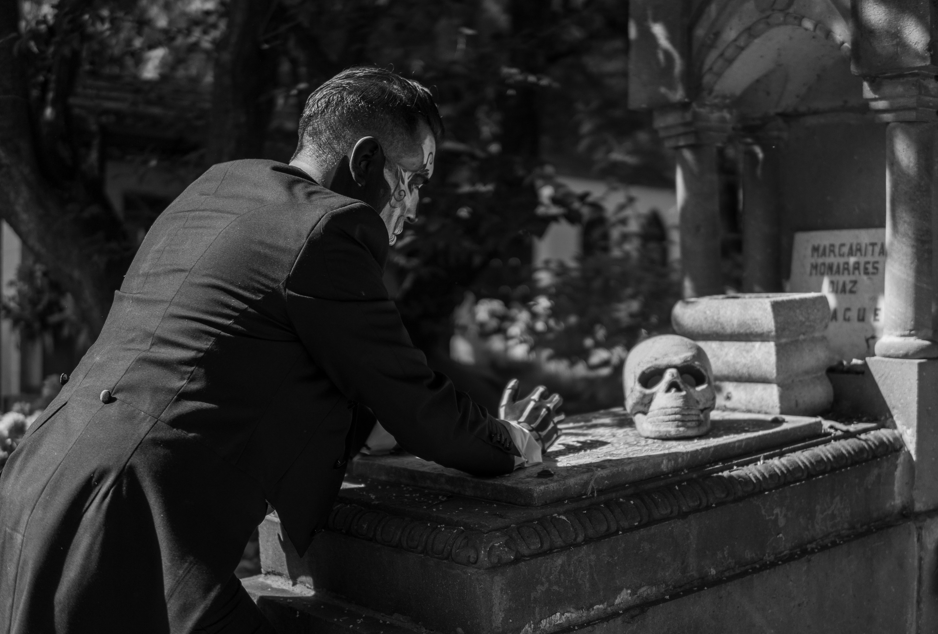
Few horror icons have shown the staying power of Universal Monsters. Nearly a century after audiences first met Dracula, Frankenstein’s Monster, The Mummy or The Invisible Man on the big screen, these characters continue to appear across entirely new forms of entertainment. Their influence extends well beyond classic cinema, shaping everything from video games and collectible figures to immersive attractions and licensed digital experiences.
Rather than surviving through nostalgia alone, these monsters have remained relevant because they represent timeless fears and instantly recognizable visual identities. Their ability to evolve without losing their essence explains why they continue to captivate audiences of every generation.
The Birth of Horror’s Most Enduring Icons
When Universal Pictures introduced Dracula (1931) and Frankenstein (1931), it wasn’t simply launching a series of successful films—it was establishing a visual language for horror that still influences creators today.
The cape of Dracula, the bolts in Frankenstein’s neck and the bandages wrapped around The Mummy became symbols understood across cultures. Even people who have never watched the original films can instantly identify these characters.
This strong visual identity explains why the monsters adapt so naturally to new media. Whether they appear in comics, board games or digital entertainment, their silhouettes remain immediately recognizable.
Why These Monsters Refuse to Fade Away
Countless horror villains have enjoyed their moment in the spotlight, only to fade as tastes changed. Universal Monsters have followed a very different path. Their lasting appeal comes from a unique combination of timeless themes, iconic designs and an extraordinary ability to adapt to new generations without losing what made them memorable in the first place.
Simple Stories, Universal Fears
The secret behind their longevity isn’t complexity. Each monster embodies a fear that remains relevant today: death, isolation, science without limits, loss of identity or humanity confronting the unknown. These themes transcend generations and continue to resonate regardless of changing technology or storytelling trends.
Designed for Reinvention
Unlike many modern franchises tied to a single storyline, classic monsters are remarkably flexible. Every filmmaker, artist or game designer can reinterpret Dracula or Frankenstein while preserving the traits audiences immediately recognize.
This adaptability has allowed these characters to move naturally into collectibles, theme parks, tabletop games and licensed digital entertainment. Some horror-inspired slot titles, for example, have become another expression of that broader licensing ecosystem and can be found on online casinos like NetBet, alongside many other entertainment-themed releases. In this context, the games are less about gambling itself than about demonstrating how iconic horror imagery continues to find new audiences through licensed media.
From Movie Screens to Every Corner of Pop Culture
The journey of Universal Monsters illustrates how successful horror franchises rarely remain confined to film.
| Medium | How Universal Monsters Adapted |
| Films | Classic and modern reboots |
| Video games | Playable characters, crossovers and horror-inspired adventures |
| Theme parks | Halloween Horror Nights and immersive attractions |
| Collectibles | Figures, statues and premium replicas |
| Licensed games | Board games, pinball and themed digital entertainment |
This ability to evolve without abandoning their original identity is what separates enduring horror icons from short-lived trends.
Why Recognition Matters More Than Novelty
Many horror villains enjoy a brief moment in the spotlight before disappearing from popular culture. Universal Monsters followed a different path because their visual language became part of the genre itself.
For creators, this offers an important lesson: recognizable characters are often more valuable over time than constantly introducing new ones. Strong archetypes encourage reinterpretation instead of replacement.
This is also why modern horror audiences rarely object to seeing these monsters appear in unexpected places. Whether featured in a museum exhibition, a theme park attraction or another licensed product, the characters retain the same symbolic power they carried in the 1930s.
For readers interested in exploring the origins of these legendary characters, HorrorNews.net also offers an in-depth retrospective on Universal Monsters, examining how Universal Pictures established many of the visual and storytelling conventions that continue to define horror nearly a century later.
A Legacy Preserved Through Culture
The continued popularity of Universal Monsters is not simply the result of commercial success. Many of the films that introduced these characters are now recognized as important milestones in cinema history. Resources such as the U.S. Library of Congress – National Film Registry highlight the importance of preserving influential works that have shaped American filmmaking and popular culture.
That historical recognition reinforces what horror fans have known for decades: these monsters are no longer just movie characters—they are part of our cultural heritage.
Conclusion
Universal Monsters have survived because they continue to evolve while remaining instantly familiar. Their influence reaches far beyond the silver screen, inspiring artists, game designers and storytellers across countless formats.
Far from being relics of early cinema, Dracula, Frankenstein, The Mummy and their companions remain living symbols of horror’s remarkable ability to reinvent itself without forgetting its roots.