 Horror News | HNN Official Site | Horror Movies,Trailers, Reviews
1984 was the year that defined the decade capturing a unique blend of high-gloss optimism and bold artistic discovery. The year saw the “Mount Rushmore” of pop royalty—Michael Jackson, Prince, Madonna, and Bruce Springsteen—all reaching their creative and commercial primes simultaneously. The movie theaters were dominated by massive hits including the supernatural comedy Ghostbusters, the action-packed Beverly Hills Cop, the adventure sequel Indiana Jones and the Temple of Doom, and the creature-feature Gremlins, all of which helped the U.S. box office break the $4 billion barrier for the first time.
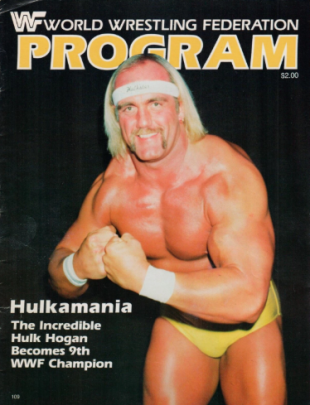
Hulkamania became the ultimate embodiment of 1980s maximalism, mirroring the decade’s obsession with larger-than-life heroes and unabashed patriotism. When Hulk Hogan defeated the Iron Sheik in early 1984, he transitioned from a mere athlete into a neon-clad icon of American optimism, perfectly capturing the “bigger is better” spirit of the Reagan era.
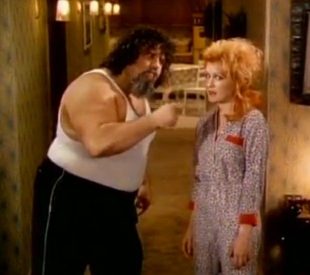
Cyndi Lauper became the bridge between pop stardom and professional wrestling, spearheading the “Rock ‘n’ Wrestling Connection” that transformed the WWF into a global phenomenon. Her involvement began after casting wrestling manager Captain Lou Albano in her “Girls Just Want to Have Fun” video, which blossomed into a cross-promotional feud between the two on MTV. This storyline peaked at The Brawl to End It All in July 1984, where Lauper managed Wendi Richter to a historic victory over The Fabulous Moolah for the Women’s Championship. By bringing her vibrant, chart-topping energy to the ring, Lauper provided the WWF with mainstream legitimacy and a massive new audience, setting the stage for the celebrity-filled spectacle of the first WrestleMania.
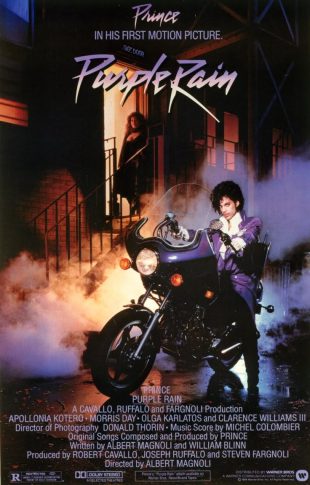
Prince achieved a rare trifecta of cultural dominance with the release of the film and soundtrack Purple Rain, simultaneously holding the number one movie, album, and single in the United States. Released in July, the semi-autobiographical film transformed Prince from a provocative R&B star into a global pop icon, showcasing his electric stage presence and the mythology of his Minneapolis sound. The accompanying soundtrack spent 24 consecutive weeks at #1 on the Billboard 200, fueled by the revolutionary “When Doves Cry” and the epic title track, which became definitive anthems of the decade. By blending rock, funk, and gospel with cinematic melodrama, Purple Rain solidified 1984 as the year Prince redefined the boundaries of black stardom and multi-media success.
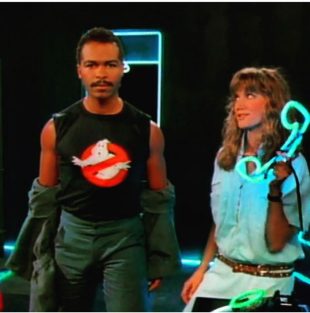
Ghostbusters became a massive cultural phenomenon, dominating the box office as the highest-grossing comedy of its time and holding the #1 spot for seven straight weeks. Its success was fueled by an inescapable marketing campaign featuring the iconic “No Ghosts” logo and Ray Parker Jr.’s chart-topping theme song, which turned “Who you gonna call?” into a national catchphrase. The film’s popularity was so intense that a real-life promotional phone number received thousands of calls hourly, while its unique blend of high-end special effects and irreverent humor solidified its place as a definitive summer blockbuster.
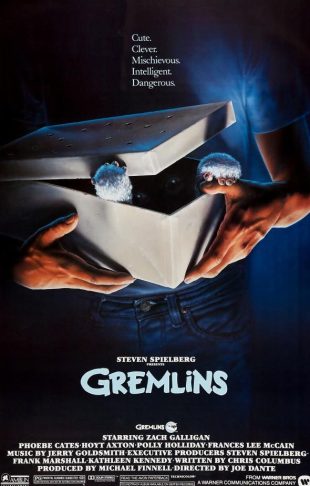
Released on June 8, 1984, Joe Dante’s Gremlins became a massive cultural phenomenon, finishing the year as the fourth highest-grossing film. Despite opening the same day as Ghostbusters, it earned over $153 million domestically and became a global hit by blending cute creature design with subversive dark comedy.
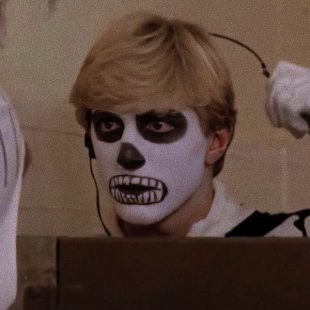
The Karate Kid was the ultimate underdog story of 1984, transforming from a modest $8 million production into the year’s fifth-highest-grossing film with over $90 million in earnings. Driven by glowing word-of-mouth and Pat Morita’s Oscar-nominated performance, the film bypassed the typical blockbuster formula to spark a nationwide martial arts craze.
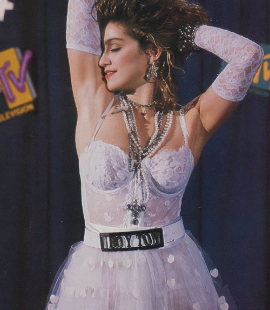
The first-ever MTV Video Music Awards, held on September 14, 1984, at Radio City Music Hall, officially signaled that music videos had become the dominant language of pop culture. Hosted by Bette Midler and Dan Aykroyd, the ceremony was anchored by Madonna’s legendary performance of “Like a Virgin,” where she writhed on a wedding cake in a “Boy Toy” belt, setting the precedent for the show’s provocative reputation. While The Cars won the night’s top prize for “You Might Think”—beating out Michael Jackson’s “Thriller”—the event was as much about the fashion and spectacle as it was the trophies. Herbie Hancock was awarded five Moonmen for the surreal “Rockit”. The 1984 VMAs proved that MTV was no longer just a cable experiment but the industry’s ultimate star-maker.
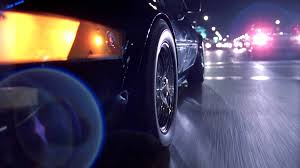
The premiere of Miami Vice on September 16, 1984, introduced the iconic partnership of detectives Sonny Crockett (Don Johnson) and Ricardo Tubbs (Philip Michael Thomas), setting a new standard for 1980s cool. The show’s most defining cultural moment occurred during the pilot, with a nearly wordless sequence of the duo driving through the neon-lit streets to Phil Collins’ “In the Air Tonight”. This groundbreaking scene essentially functioned as a high-stakes music video, using the brooding atmosphere and climactic drum break to replace traditional dialogue and heighten the emotional tension. By blending these cinematic visuals with a chart-topping soundtrack and the lead actors’ pastel linen suits and designer stubble, the series solidified its place as the definitive visual and sonic blueprint for the decade.
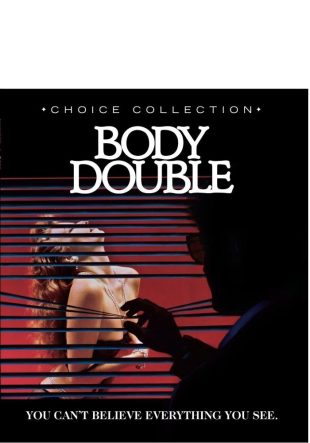
Directed by Brian De Palma, Body Double (1984) is a stylized neo-noir thriller that serves as a provocative homage to Alfred Hitchcock’s Rear Window and Vertigo. The film follows Jake Scully, a struggling actor who becomes obsessed with spying on a neighbor, only to find himself entangled in a surreal web of voyeurism, mystery, and murder. Known for its lush cinematography, a synth-heavy Pino Donaggio score, and an infamous sequence featuring Frankie Goes to Hollywood, the movie polarized critics upon release for its graphic content and meta-commentary on the film industry. Over time, however, it has gained a significant cult following, praised for its bold visual flair and De Palma’s unapologetic exploration of the male gaze.
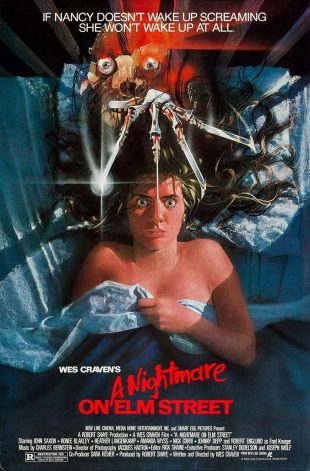
For horror fans, 1984 was a landmark year that introduced some of the genre’s most enduring icons and high-concept nightmares. The year was headlined by Wes Craven’s A Nightmare on Elm Street, which introduced the world to Freddy Krueger and transformed the slasher subgenre by blending supernatural surrealism with suburban dread.