 Horror News | HNN Official Site | Horror Movies,Trailers, Reviews
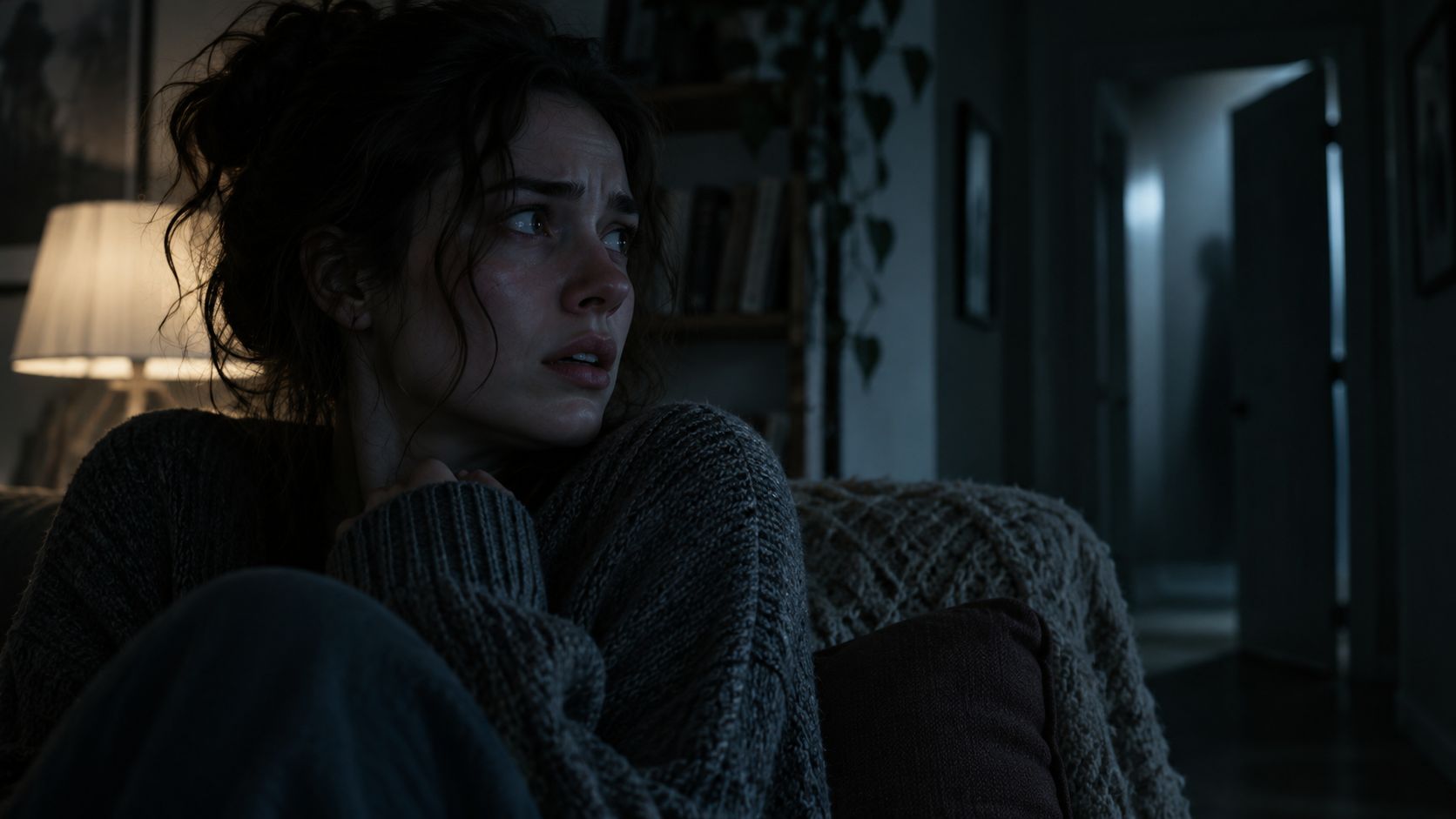
Horror has always explored human fears, but the way filmmakers create tension continues to change. Instead of relying entirely on violent scenes, frightening creatures, or sudden shocks, many contemporary horror stories focus on uncertainty, emotional distress, and the way people interpret disturbing situations. Psychological horror places the human mind at the center of the experience. It asks viewers to question what they see, why characters behave in certain ways, and whether an apparent threat actually exists.
A disturbing message, an unexpected change in someone’s behavior, or an unexplained event can create tension without physical violence. An unfamiliar username, such as royalzino, might appear in a fictional account’s activity history, prompting questions about who accessed the device and why. The appeal comes from the audience’s participation in the story. Viewers examine details, consider different explanations, and develop their own understanding of events. Psychological horror turns this process into an important part of the entertainment experience.
Understanding the Appeal of Psychological Horror
Psychological horror explores fear through perception, emotions, and personal experiences. Traditional horror often presents a recognizable source of danger. A threatening creature or violent attacker gives characters something concrete to confront. Psychological stories frequently take a different approach. They create situations in which neither the characters nor the audience fully understands what has happened.
A person might hear footsteps in an empty house. Another character may discover that familiar memories no longer match other people’s accounts. These situations encourage viewers to consider several possibilities.
The uncertainty matters as much as the eventual explanation.
Research supports the importance of this response. A 2024 scientific study involving 558 participants examined how people experienced frightening film scenes. Researchers found that perceived fear, realism, and curiosity about disturbing subjects contributed to excitement and enjoyment. The findings suggest that audiences respond not only to frightening content itself but also to how believable and emotionally engaging they find it.
PubMed+1
Psychological horror often creates these conditions through ordinary environments and recognizable personal conflicts.
Why Uncertainty Creates Strong Emotional Reactions
People constantly interpret information to understand their surroundings. They observe facial expressions, listen to conversations, and assess whether situations present potential dangers. When information remains incomplete, the mind attempts to explain what it cannot immediately understand.
Psychological horror makes deliberate use of this process.
Consider a scene in which someone notices that an object has moved inside a locked apartment. The film offers no immediate explanation. Viewers may suspect an intruder, a memory problem, or an unusual event. Each possibility changes their expectations.
A 2024 theoretical paper examined horror through predictive processing, a framework that describes how the brain forms expectations and responds when events contradict them. The researchers proposed that the relationship between uncertainty and changing expectations helps explain why frightening entertainment can also feel enjoyable.
PubMed
This helps explain why a quiet conversation can generate considerable tension. When characters avoid important questions or provide conflicting information, viewers must interpret their behavior without knowing their intentions.
The story does not need to present a visible threat. Uncertainty itself can sustain attention.
The Influence of Everyday Anxiety
Modern psychological horror frequently explores situations that audiences recognize from ordinary life. Social isolation, family disagreements, distrust, financial pressure, and concerns about personal safety can create significant emotional distress.
Filmmakers often use these experiences as the starting point for fictional conflicts.
A character who struggles to maintain relationships might begin questioning whether other people genuinely care about them. Someone experiencing prolonged stress may misunderstand harmless events. Another person might fear losing control over important decisions.
Such stories connect frightening situations with understandable emotions.
This does not mean that psychological horror accurately represents every mental health condition. Fictional stories sometimes exaggerate symptoms or connect psychological difficulties with dangerous behavior. Responsible storytelling distinguishes personal distress from harmful actions and avoids treating mental illness itself as a source of horror.
The strongest emotional responses often arise when viewers understand why a character feels afraid, even when they disagree with that character’s interpretation.
The Importance of Character Development
Psychological horror depends heavily on the audience’s relationship with its characters. Their decisions, memories, and emotional reactions often determine how the story develops.
A frightening event carries greater significance when viewers understand what it means to the person experiencing it.
For example, a character who fears abandonment might interpret an unanswered telephone call as evidence of rejection. Another person who distrusts authority may refuse assistance during an emergency. These responses can intensify conflict without introducing additional physical danger.
Several storytelling elements support this approach:
- Personal history: Earlier experiences help explain present fears and decisions.
- Conflicting memories: Different accounts create uncertainty about past events.
- Emotional isolation: Limited support affects how characters respond to stressful situations.
- Unclear motivations: Inconsistent behavior encourages viewers to question intentions.
- Gradual behavioral changes: Small differences in personality or routine create concern over time.
These elements encourage audiences to examine human behavior instead of simply waiting for the next frightening scene.
How Filmmakers Build Tension Without Violence
Psychological horror requires careful control of visual information, sound, dialogue, and timing. Small production decisions can significantly influence how viewers interpret a scene.
A fixed camera position may prevent the audience from seeing an important part of a room. A conversation might stop before someone answers a significant question. A familiar environment may appear slightly different without an obvious explanation.
Sound also contributes to uncertainty.
Low background noise, distant movement, and unexpected silence can make viewers examine ordinary surroundings for possible threats. Music may create anticipation, but filmmakers do not always need a dramatic soundtrack to produce anxiety.
A 2024 review of horror’s psychology and neurobiology discussed how unpredictability, perceived danger, and the timing of frightening events influence audience reactions. These factors help explain why sustained tension can create fear even when nothing physically threatening appears on screen.
EBSCO OpenURL
The important factor involves context. An unexplained sound rarely creates the same response in every situation. Its meaning depends on what viewers already know about the characters and their circumstances.
The Role of Technology in Modern Psychological Horror
Digital communication offers contemporary filmmakers additional ways to explore uncertainty and distrust. People routinely exchange private messages, maintain online identities, and store personal information on connected devices.
These activities create opportunities for stories about surveillance, identity confusion, and conflicting information.
A character might receive messages from an unknown account. A photograph could appear online despite someone’s insistence that nobody took it. An unfamiliar username, such as royalzino, might appear in a fictional account’s activity history, prompting questions about who accessed the device and why.
The tension develops through the character’s response to incomplete information, not through the technology itself.
Digital environments also create new questions about personal privacy. Characters may struggle to determine whether someone has accessed their information or whether an apparent communication represents a misunderstanding.
Psychological horror can explore these concerns without introducing supernatural explanations.
However, technology alone does not guarantee an effective story. The emotional consequences of an incident remain important. Viewers need to understand why an unexpected notification or altered message matters to the person receiving it.
Why Audiences Enjoy Exploring Fear Safely
Fear generally encourages people to avoid danger. Horror entertainment creates a different situation because viewers knowingly choose frightening experiences within controlled conditions.
They can stop a film, adjust the volume, or discuss an uncomfortable scene with someone else.
Researchers describe this voluntary engagement with frightening entertainment as recreational fear. A 2019 review of empirical research examined why people seek horror films and how differences in personality, emotional sensitivity, and previous experiences affect their responses. The findings also highlighted substantial variation in individual preferences.
PubMed Central (PMC)
For some viewers, psychological horror creates an opportunity to examine threatening situations without facing their real-world consequences.
Others enjoy interpreting human behavior or testing explanations for unusual events. Some simply appreciate the tension that develops when a story withholds information.
These motivations can overlap, but researchers should not assume that every horror fan seeks the same emotional experience.
Enjoying fictional fear also does not automatically mean that watching disturbing material improves someone’s mental health. Responses depend on the individual, the content, and the circumstances.
The Attraction of Open Endings
Many psychological horror stories avoid explaining every event. They may resolve the central conflict while leaving questions about a character’s memories, intentions, or understanding of reality.
Such endings encourage interpretation.
One viewer might understand a disturbing event as a psychological response to prolonged stress. Another may believe the story suggests an external threat. Both explanations can draw support from details throughout the film.
This approach demands careful writing. An unclear ending needs a meaningful relationship with earlier events. Otherwise, unresolved questions may simply leave audiences dissatisfied.
When a story develops consistent clues, however, uncertainty can remain interesting after the final scene.
Viewers may reconsider earlier conversations, notice connections they initially overlooked, or discuss possible interpretations with other people.
These conversations extend engagement with the narrative beyond the viewing experience.
The Relationship Between Psychological Horror and Other Genres
Psychological horror frequently shares characteristics with mystery, crime fiction, and drama. This overlap allows filmmakers to explore frightening situations through different narrative structures.
A mystery may begin with an unexplained disappearance. A domestic drama might explore increasing distrust within a family. A crime story could examine how unreliable testimony affects an investigation.
Psychological horror introduces fear through the emotional consequences of these situations.
The distinction does not depend entirely on the presence of violence or supernatural events. Instead, it concerns how the story creates anxiety and what viewers must consider while watching.
Some productions combine psychological tension with supernatural themes. Others avoid extraordinary events altogether.
Both approaches can examine perception, memory, and personal responsibility.
This range of storytelling methods also gives audiences different levels of intensity. One film may develop tension gradually through dialogue, while another may combine psychological conflict with occasional moments of physical danger.
How Audience Expectations Are Changing
Contemporary audiences encounter fictional stories through cinemas, streaming services, online discussions, and digital communities. These viewing environments influence how people discover, interpret, and discuss horror.
Online conversations allow viewers to exchange theories about ambiguous endings and unusual character behavior. Discussions may identify details that individual audience members missed during their first viewing.
However, the availability of these conversations does not establish that psychological horror attracts more viewers than other horror categories. That conclusion would require consistent audience data across several years.
What researchers can demonstrate is that fear, curiosity, realism, and uncertainty contribute to the enjoyment of frightening entertainment.
Filmmakers can use these psychological processes in stories that depend on interpretation rather than constant physical threats.
Why Psychological Horror Continues to Matter
Psychological horror examines experiences that people regularly encounter: uncertainty, distrust, difficult memories, and the possibility of misunderstanding other people’s intentions.
Its frightening situations often begin with recognizable emotional concerns. Characters encounter information they cannot explain, make decisions under pressure, and struggle to distinguish assumptions from facts.
Audiences participate by assessing the same information.
The genre’s appeal comes partly from this active involvement. Viewers do more than observe frightening events. They question explanations, evaluate behavior, and consider how they might respond under similar circumstances.
Research into recreational fear suggests that curiosity and emotional engagement help explain why people voluntarily seek disturbing stories. Psychological horror offers filmmakers a way to explore those responses through character development and controlled uncertainty.
As long as audiences remain interested in human behavior, personal fears, and the limits of perception, psychological horror will continue to offer material for thoughtful and unsettling stories.