 Horror News | HNN Official Site | Horror Movies,Trailers, Reviews
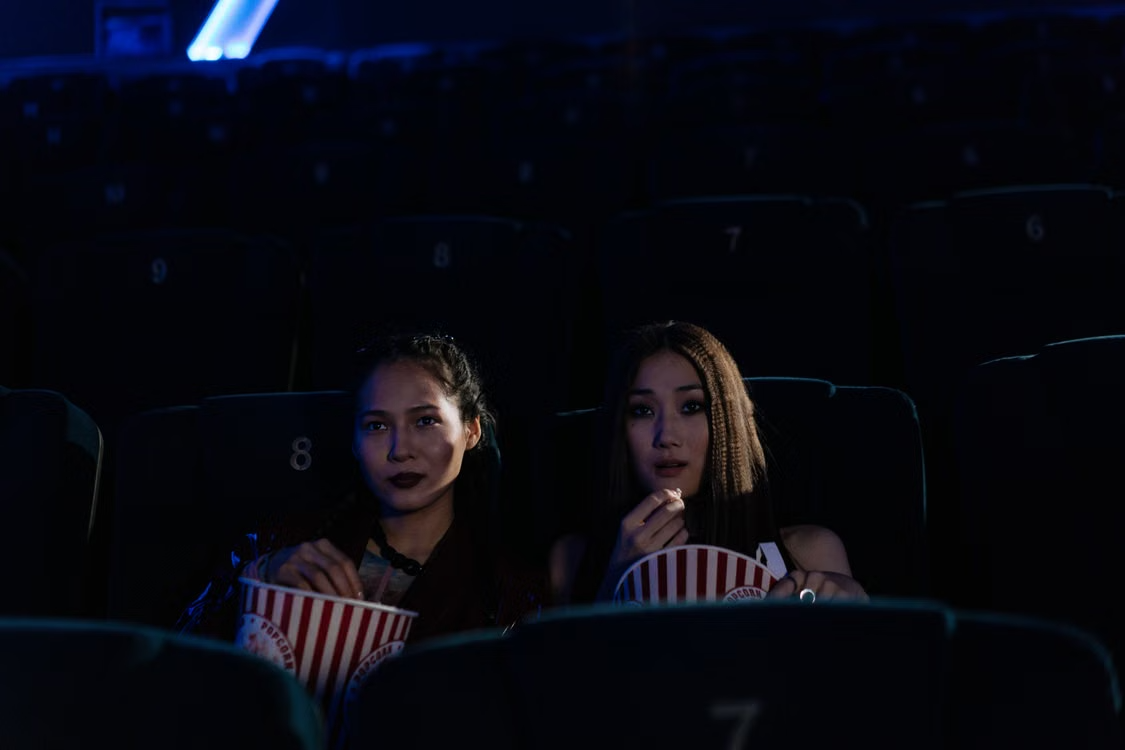
Picture a group of friends on a couch late at night. The lights are off, and a scary movie is on. Someone grips a pillow, someone peeks through their fingers, and everyone jumps at the same moment. Then they all laugh. And yet, no one asks to turn it off.
This is a strange thing when you think about it. Most of the time, we try to avoid fear. But with horror, people choose it on purpose, and they even call it fun. Why? The answer lies deep in the human mind. Horror taps into our survival instincts, our curiosity, and our emotions all at once.
What Fear Does to the Body and Brain
Fear is the body’s alarm system. When something seems dangerous, the brain reacts very quickly, often before we even have time to think. Your heart beats faster, your breathing speeds up, and your muscles tense. Stress chemicals rush through your body to prepare you to fight or run away.
During a scary scene, your body may react in exactly the same way, even though you are sitting safely on a couch. The rush can feel intense, but it can also feel strangely energizing. If you are curious about how your body and mind respond to stress in daily life, the Overwell app offers simple tools that help you notice your feelings and learn calming habits. Knowing how fear works makes it easier to enjoy the thrill without being overwhelmed by it.
The Thrill of Safe Danger
Here is the secret of horror: the danger is not real. When we watch a film or read a story, part of the mind knows that we are safe. This allows us to enjoy the excitement without paying the price.
Relief plays a big role too. After a scare, the body slowly calms down, and this relief can feel like joy. Many people feel a burst of happiness when the scary moment passes. There is also a sense of strength that comes from getting through a frightening story. Even if it is only fiction, you faced something scary and survived it.
Think of friends laughing together right after a big jump scare. One person shrieks, another spills popcorn, and soon everyone is giggling. Fear and fun mix together, and the shared experience brings them closer.
Why the Unknown Pulls Us In
Mystery is a powerful hook. The human mind is built to seek answers. We want to know what is behind the door, who is moving in the dark, or what that strange sound was. When these questions stay unanswered, our attention locks on and refuses to let go.
This is why suspense is often stronger than the scare itself. The moment before something happens can feel more intense than the event. A slow walk down a dark hallway can be scarier than the monster that waits at the end. Our imagination fills in the blanks, and what we imagine is often worse than what we could ever see on a screen.
This pull comes from natural curiosity. For most of history, understanding the unknown helped people stay safe. Learning what lurked in the shadows could mean survival.
Facing Our Deepest Fears Through Stories
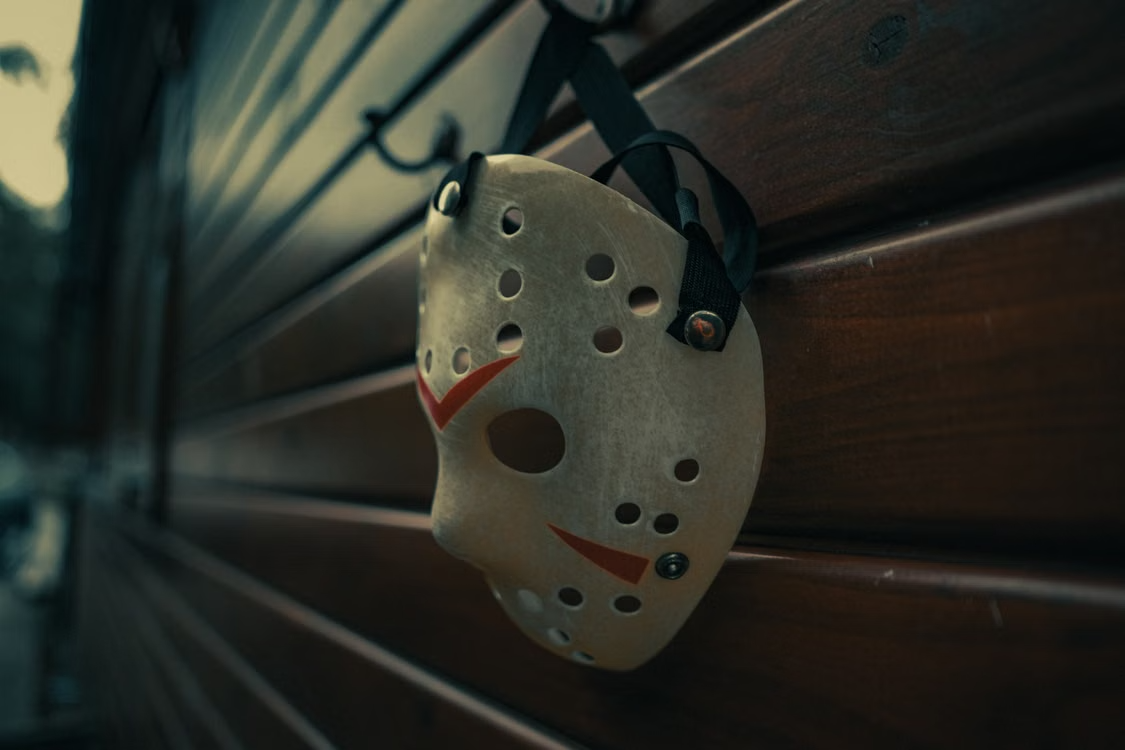
Horror lets people explore difficult ideas in a safe space. Themes like death, loss of control, danger, and evil are hard to think about in daily life. But a scary story lets us look at them from a distance, with the option to look away at any time.
In this way, horror can act as a kind of practice. When we watch a character face a threat, we may quietly ask ourselves, “What would I do?” This helps the mind rehearse responses and process anxiety about real life.
Horror also tends to reflect the fears of its time. In one era, people may fear new machines. In another, they may fear disease, war, or social change. Scary stories take these worries and give them a shape, such as a monster or a haunted place. By giving fear a face, we feel a little more able to deal with it.
Different Minds, Different Reactions
Not everyone enjoys horror, and that is perfectly normal. People react to scary content in very different ways. Personality plays a part, and so do past experiences, sensitivity, and even daily mood. A story that feels thrilling on a relaxed weekend may feel too much during a stressful week.
Some people love the adrenaline rush. Others enjoy the puzzle and the story, and they are less interested in the fear itself. And some people simply find horror too stressful, and they prefer calmer entertainment. All of these reactions are valid.
There is no right or wrong response. What matters is knowing your own limits and respecting them. If a movie leaves you anxious or unable to sleep, it is okay to stop watching. Choosing what feels good for you is a healthy act of self-care.
What Horror Teaches Us About Ourselves
Our reactions to fear can tell us a lot about who we are. They can show what we value, what worries us, and how we cope with stress. These reactions reveal how your mind handles pressure.
When enjoyed in a healthy way, horror can even build resilience. It reminds us that we can feel fear and still stay in control. It can also spark great conversations, as friends compare reactions and share what scared them most.
In the end, our fascination with the dark is not strange at all. It is a very human way of understanding what frightens us. By stepping close to the edge of fear in a safe setting, we learn something valuable: we can face the unknown, and we can find courage in the process.