 Horror News | HNN Official Site | Horror Movies,Trailers, Reviews
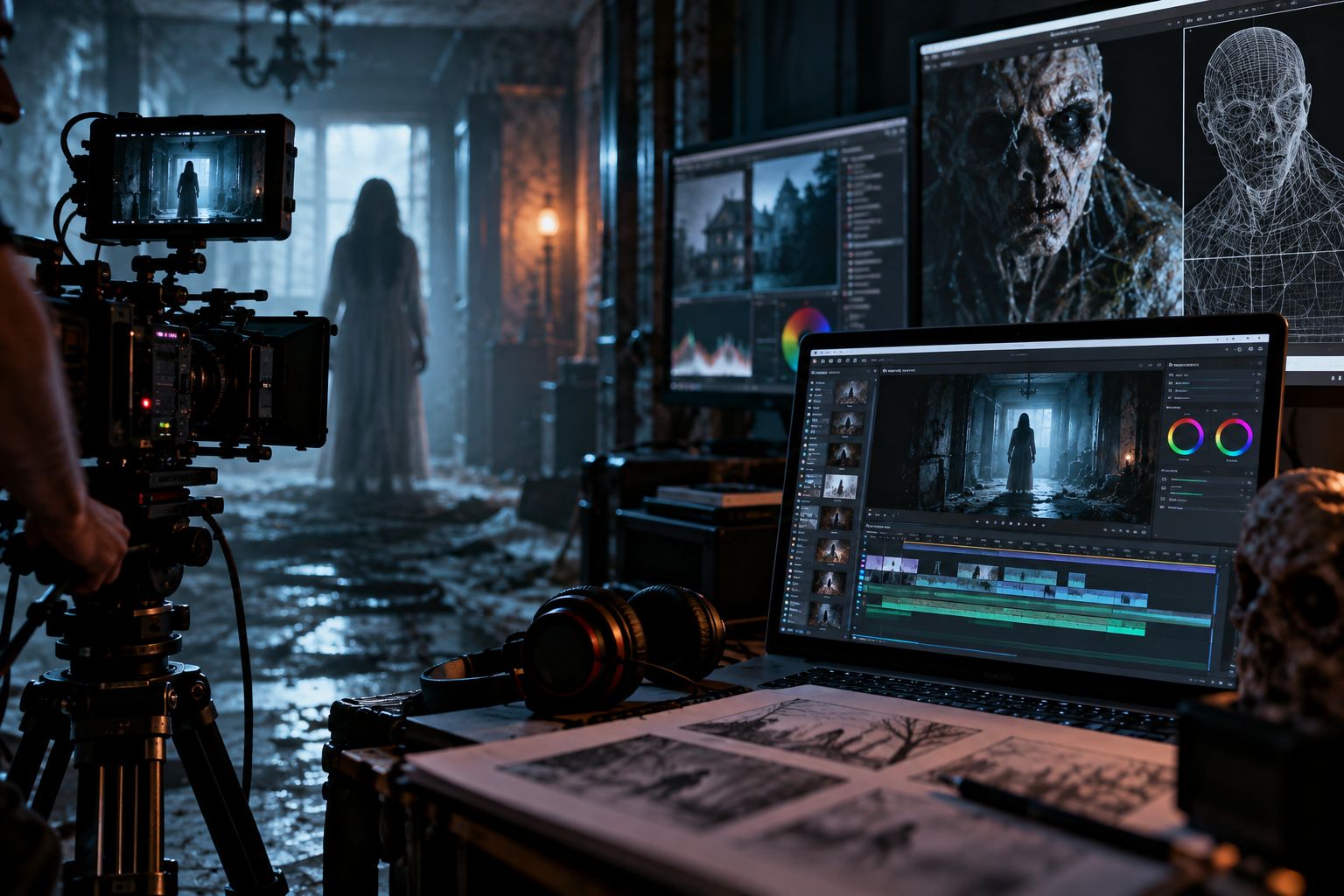
Horror films have always depended on a simple idea: make the audience feel afraid of something they cannot control. Directors have tried countless ways to achieve that effect, from carefully timed sounds to disturbing images and unexpected movements. The basic approach still works. What has changed is the range of tools filmmakers can use and the way audiences experience the results.
Digital technology now affects almost every stage of horror production. Cameras capture scenes in difficult lighting, editing software allows precise changes, and online platforms give smaller productions access to viewers around the world. These developments also connect horror cinema with other forms of digital entertainment. Gaming platforms, including riverspin, operate within a broader entertainment market where visual presentation, interactive features, and user expectations influence design decisions. Horror filmmakers face their own version of that challenge: they must understand how technology changes what audiences see, hear, and expect.
Digital Cameras Have Changed the Way Horror Looks
Older horror productions often faced strict technical limits. Film stock cost money, cameras required considerable lighting, and directors had fewer chances to review their footage immediately. Those restrictions influenced the appearance of many films.
Digital cameras give production crews greater control during shooting. Directors can inspect footage on location, adjust exposure, and experiment with different compositions without consuming additional film stock.
Low-light performance has become particularly useful for horror. A scene inside an abandoned building might need only a few practical lights to establish the atmosphere. Modern sensors can capture details in dark areas while preserving enough contrast to keep the image readable.
That does not mean every scene benefits from additional visibility. Darkness remains an important creative choice.
Some directors deliberately hide parts of a room or corridor. Others use sharp contrasts to draw attention toward a particular object. Digital equipment gives them more control over these decisions, although camera quality alone cannot create suspense.
The equipment has also become more accessible. Independent crews can shoot professional-looking footage with relatively compact cameras, allowing them to work in locations that might present problems for larger productions.
Computer Effects Have Expanded Creative Possibilities
Horror filmmakers have used physical makeup, mechanical creatures, and carefully constructed sets for decades. Those methods remain part of modern production, but digital effects have expanded what directors can show.
Computer-generated imagery allows artists to change facial expressions, alter environments, and create creatures that would require substantial physical construction.
Consider a scene involving a character whose appearance changes gradually. Makeup artists can establish the physical details, while digital specialists adjust movement or add elements that practical techniques cannot easily reproduce.
Many productions combine both approaches.
A physical creature gives actors something to react to during filming. Digital artists can then modify its movements or appearance during post-production. The combination helps filmmakers maintain physical interaction while exploring designs that mechanical effects alone might restrict.
However, visual effects require careful planning. Poor lighting matches, inconsistent movement, or excessive digital manipulation can distract viewers from the scene.
The question is not simply whether a production can create an unusual image. Directors must decide whether that image serves the story.
Sound Has Become a More Precise Part of Horror
A frightening scene does not always need a visible threat. Sometimes the audience hears something before the characters understand what is happening.
Digital sound tools allow editors to control those moments with considerable accuracy.
They can adjust individual frequencies, place sounds at specific positions, and combine recordings into effects that have no obvious real-world source.
A quiet room might contain several carefully arranged audio elements. Electrical noise, distant footsteps, and subtle changes in background sound can suggest activity outside the camera’s view.
The audience may not consciously identify each detail, but the combined effect can create discomfort.
Modern surround-sound systems add another possibility. Sound designers can position noises around the listener, encouraging attention toward areas outside the visible image.
Still, loud effects do not automatically produce stronger horror. Constant noise can make frightening moments predictable. Silence often creates the necessary contrast.
Experienced sound teams consider what viewers should hear, what they should struggle to identify, and when a scene needs complete quiet.
Editing Software Gives Directors Greater Control
Editing has always shaped suspense. A director can reveal a threat immediately, delay its appearance, or show only a character’s reaction.
Digital editing makes these choices easier to test.
Editors can rearrange sequences, change the length of individual shots, and adjust the relationship between sound and image without physically cutting film.
This freedom matters in horror because small timing differences can change a scene.
A character opens a door. The camera stays on the empty hallway. Nothing happens for several seconds. Then the editor cuts to another room.
That sequence might create more tension than an immediate appearance from a creature.
Digital tools allow filmmakers to test several versions and evaluate how each one affects the scene.
Color correction also plays a role. Editors and colorists can adjust shadows, skin tones, and environmental details to maintain a consistent visual approach.
Yet excessive correction can make ordinary locations appear artificial. Horror often benefits from familiar surroundings, especially when the story introduces something disturbing into an otherwise normal environment.
Independent Filmmakers Have More Ways to Produce Horror
Digital production has changed the practical side of independent filmmaking.
Small crews no longer need access to expensive film-processing facilities or large editing suites. A modest production can handle much of its work through digital equipment and computer software.
This does not eliminate production costs. Filmmakers still need performers, locations, sound recording, lighting, and time.
However, the available tools give independent directors more choices when planning limited budgets.
Several developments have helped smaller horror productions:
- Compact cameras allow crews to work in restricted locations.
- Digital editing systems support detailed post-production without physical film processing.
- Affordable recording equipment helps teams capture dialogue and environmental sounds.
- Online distribution services allow filmmakers to reach audiences outside traditional cinema circuits.
- Remote collaboration lets editors, composers, and visual-effects artists contribute from different locations.
These changes have also encouraged experimentation.
A director might build an entire story around one apartment, a small group of actors, and a carefully controlled sound environment. Another production might use screen recordings, security footage, or video calls as central storytelling devices.
Neither approach requires enormous sets or elaborate creature designs. The effectiveness depends on the writing, performances, and technical execution.
Online Viewing Has Changed Audience Habits
Cinema screenings still offer a shared experience, but many people now watch horror films at home.
Streaming services and digital rentals allow viewers to select titles without waiting for local theatrical screenings. Audiences can also discover films from other countries more easily than they could through traditional distribution alone.
This shift affects the viewing experience itself.
A person watching on a television in a quiet room encounters different conditions from someone using a phone during a train ride. Screen size, surrounding noise, and interruptions can change how effectively a frightening sequence works.
Filmmakers cannot control every viewing environment.
Some directors continue to create compositions that reward large screens and attentive viewing. Others use close framing and clearly identifiable visual details that remain understandable on smaller displays.
Online viewing also changes how people discuss horror.
Viewers can share reactions immediately, recommend unfamiliar titles, and participate in conversations about endings or hidden details. These discussions sometimes introduce films to audiences long after their initial distribution.
At the same time, short online clips can reveal important scenes before people watch the complete film.
Maintaining surprise has therefore become a different challenge.
Horror Stories Now Reflect Digital Life
Technology has changed more than production methods. It has introduced new situations that horror writers can explore.
People depend on smartphones, connected cameras, online accounts, and digital communication for everyday activities. These systems create recognizable settings for stories about surveillance, isolation, and uncertainty.
A character might receive messages from an unknown sender. Another might discover disturbing footage on a home security system. A group of friends could encounter something frightening during an online conversation.
Such situations work because audiences understand the technology involved.
They also introduce practical storytelling questions. Why does a character continue using a device? What information can someone access? Can a recording prove that an event occurred?
Writers need convincing answers.
When a story ignores ordinary technological possibilities, viewers may question the characters’ decisions. A modern horror film must consider how people actually communicate, search for information, and respond to danger.
The technology should support the central conflict rather than exist merely as decoration.
Artificial Intelligence Introduces New Production Questions
Artificial intelligence has begun influencing certain filmmaking tasks, including image development, sound processing, and early visual planning.
Some tools can help artists produce concept images or test variations of a scene. Others can assist with technical work such as removing background noise or separating elements within an image.
These applications may reduce the time teams spend on specific production tasks.
However, AI also raises questions about creative ownership, consent, and the use of existing artistic material.
Horror filmmakers need to consider these issues carefully, particularly when software generates faces, voices, or visual elements that resemble real people.
Technical convenience does not remove the need for artistic judgment.
A computer system may generate an unsettling creature design, but the director still needs to establish its role in the story. The audience must understand enough about the situation to care about what happens.
Without that foundation, elaborate imagery can become distracting.
Interactive Entertainment Is Influencing Audience Expectations
Horror video games and interactive experiences give participants some control over events. Players can explore locations, make decisions, and sometimes change the outcome of a story.
Traditional films do not offer that level of participation. Directors determine the sequence of events, and viewers follow the finished narrative.
Nevertheless, interactive entertainment has influenced the way audiences think about horror.
People who regularly play frightening games may recognize familiar techniques such as restricted visibility, environmental clues, and threats that appear outside the main field of attention.
Filmmakers can use similar ideas without copying the structure of a game.
For example, a camera might follow a character through an unfamiliar building while revealing small details that suggest earlier events. The audience gradually develops an understanding of the location.
The distinction remains important. A film controls the pace of discovery, while an interactive experience may allow participants to spend additional time investigating.
Both formats can create suspense, but they use different methods to sustain attention.
Technology Cannot Replace Effective Storytelling
Digital tools have expanded what horror directors can achieve, but technical sophistication does not guarantee an effective film.
An elaborate creature design means little if the audience has no reason to care about the characters. Precise sound editing cannot fully compensate for an unclear plot. Expensive visual effects may even distract from a story that needs restraint.
Successful horror still depends on recognizable human reactions.
Characters experience uncertainty, make difficult choices, and respond to situations they cannot fully explain. Viewers follow those decisions and anticipate the consequences.
Technology can strengthen that process through careful visual composition, sound, editing, and production design.
It can also create problems when filmmakers use effects without considering their purpose.
The strongest creative decisions begin with the scene itself. What does the audience need to know? What should remain uncertain? How should the characters respond?
Only then should the production team decide which technical methods can support those goals.
What Comes Next for Digital Horror?
Horror cinema will continue changing as production equipment, distribution methods, and audience habits develop.
Virtual production may give filmmakers additional control over difficult environments. Advances in computer graphics could make certain visual effects easier to produce. New audio systems may offer more detailed control over how viewers experience sound.
Independent creators will likely continue exploring stories that use everyday digital technology as a source of fear.
Yet the central challenge will remain familiar.
Filmmakers must create believable situations, establish meaningful characters, and control the information they reveal to the audience.
Digital technology offers more ways to accomplish those tasks. It does not remove the need for careful writing or thoughtful direction.
Horror films have changed considerably in their appearance, production methods, and distribution. Their fundamental purpose, however, remains the same: to make viewers confront uncertainty and experience fear within the safety of a fictional story.