 Horror News | HNN Official Site | Horror Movies,Trailers, Reviews
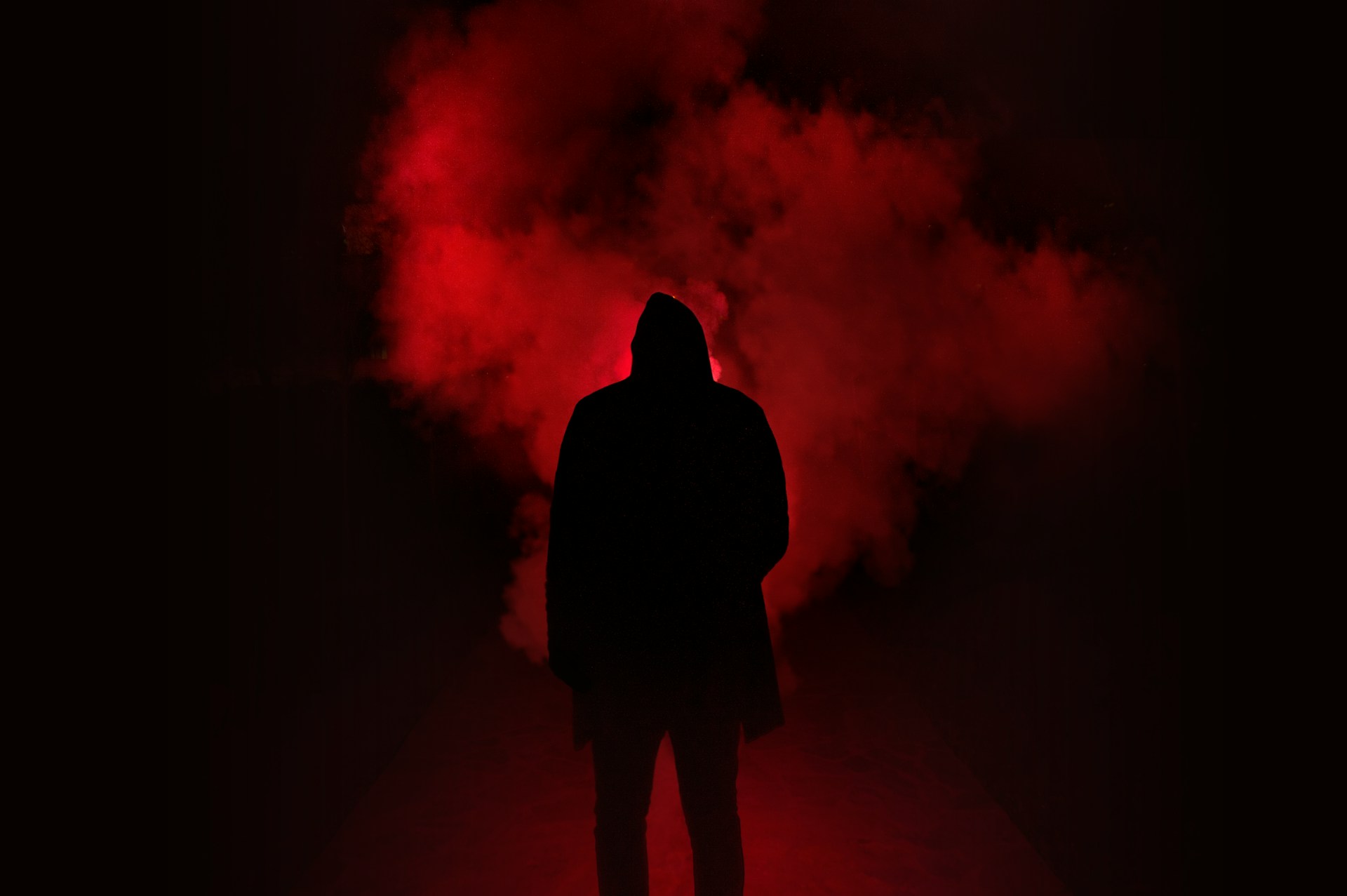 A deal with the Devil rarely begins with fire. It begins with an offer.
More money. More talent. Youth. Fame. Knowledge. One impossible wish, delivered with suspiciously good timing. The supernatural part gets the poster art, but the real engine of the story is simpler: someone is asked to judge a risk while wanting the reward far too much.
That’s why the trope refuses to die. Recent horror still circles the same question. He used sacrifice and ambition as the core of its Faustian setup in 2025, and Ready or Not 2: Here I Come returned in March 2026 with another deadly game built around power, survival and a prize worth killing for. The Devil changes outfits. The wager stays.
The Devil Doesn’t Sell Evil. He Sells a Bet
Most characters don’t sign because they suddenly become wicked. They sign because the offer seems manageable.
That distinction matters. A good Faustian bargain creates a gap between the reward you can picture and the cost you can’t. Fame arrives now. Damnation feels distant. The mind starts doing rough probability work: maybe the clause has a loophole, maybe the Devil can be beaten, maybe there’s still time.
Horror has always enjoyed wrapping that temptation in forbidden objects, especially books. Open the wrong page, read the wrong passage, learn something you weren’t supposed to know. The idea survives outside film and fiction too. In the slots catalogue at Betinia Canada, titles including Book of Dead and Tome of Madness tap into that same fascination with mysterious texts and the promise that something valuable, strange or dangerous might be hidden inside. Book of Dead is currently listed among Betinia’s highlighted casino titles, while Tome of Madness also appears in its games catalogue.
That makes the connection surprisingly neat. The classic Devil’s bargain is, in a sense, another forbidden book waiting to be opened. The character knows there’s danger inside. They just believe the possible reward deserves one more page.
And that’s where the odds enter the story. The scary question isn’t simply, “Would you sell your soul?” It’s whether you could still say no once the thing you wanted most was sitting right in front of you.
The Fine Print Is Where the Monster Lives
Faust stories love contracts because contracts make supernatural horror feel weirdly ordinary. Blood on parchment is dramatic, sure, but the structure is familiar: terms, conditions, obligations, consequences.
Christopher Marlowe’s Doctor Faustus helped turn the demonic bargain into one of Western culture’s great cautionary devices. Goethe pushed the idea closer to a literal wager. His Faust risks everything on the possibility that Mephistopheles can give him a moment so satisfying that he finally wants it to stay. That change matters because it makes desire measurable. The whole soul hangs on one outcome.
Horror gets a lot of mileage out of that setup. The Devil doesn’t always need claws. Sometimes he just needs better information.
That creates what a risk analyst might call an information imbalance. One side knows the real terms. The other side knows what it wants. Guess who has the stronger position?
We Keep Thinking We Can Beat the House
There’s another reason these stories work: audiences secretly want the human to find a loophole.
We enjoy the contest. A character spots a technicality, twists the wording, breaks a curse or turns the bargain back on its author. For a few minutes, the story stops feeling theological and starts feeling almost procedural. Find the flaw. Read the clause. Survive the night.
That tension sits underneath Ready or Not and its sequel too. The ritual is terrifying, but the game structure gives the fear shape. Rules create hope. If there are rules, there might be a winning move.
Of course, horror loves to punish confidence. Not because ambition itself is automatically evil, but because certainty is fragile. The person making the bargain usually thinks they understand their chances. The audience can see the problem: they’re calculating with missing data.
That’s pure dread.
The Odds Were Never the Point, Were They?
A deal-with-the-Devil story pretends to ask what you would sacrifice. Underneath, it asks something more uncomfortable: how good are you at judging a risk when desire is doing the judging?
That question travels well. It works in old folklore, silent cinema, sports horror, supernatural comedy and bloody survival stories because the emotional mechanism barely changes. People want things. People convince themselves the price is acceptable. People are very talented at believing they’ll be the exception.
The Devil, meanwhile, has heard that one before.
Maybe that’s why these stories remain so satisfying. The horned figure is memorable, but he isn’t the whole nightmare. The real horror is the little calculation made just before the signature, when a terrible deal still looks, somehow, worth the odds.