 Horror News | HNN Official Site | Horror Movies,Trailers, Reviews
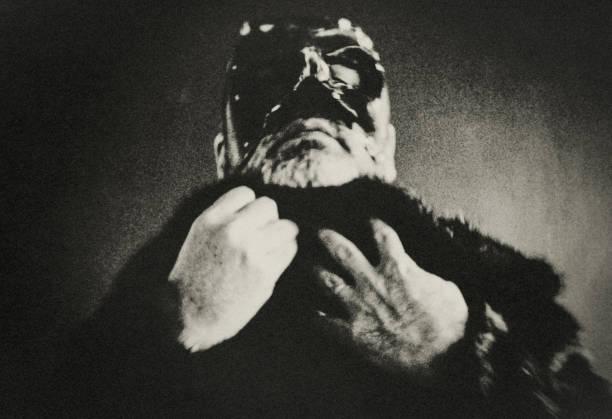
Look, I’m just going to say it: after watching Hollywood dump CGI all over everything for the past twenty years, it’s honestly refreshing to see horror filmmakers remember why we fell in love with this genre in the first place. Real blood. Actual latex monsters. Prosthetics that exist in the same room as the actors. There’s something about practical effects that just hits different, you know? When you’re watching something that was actually there on set (even if it’s a grotesque puppet covered in slime) your brain processes it differently than pixels rendered on some animator’s workstation.
And this isn’t just me being a cranky purist who thinks everything was better in the old days. Though, let’s be honest, some things definitely were.
The Digital Fatigue Setting In
You know exactly what I’m talking about. You’re watching a horror movie that’s doing everything right (the atmosphere is thick, the tension’s building, you’re genuinely creeped out) and then BAM. Here comes the monster, looking like it escaped from a PlayStation cutscene circa 2015. All that carefully constructed dread just evaporates.
The Mummy reboot from 2017? Perfect example. They threw ungodly amounts of money at digital effects and somehow managed to create something that felt less real than Brendan Fraser fighting obviously rubber mummies twenty years earlier. At least those mummies had weight to them.
Here’s what’s wild: this whole thing mirrors what’s happening everywhere else. People are buying vinyl records again. Film photography is having a moment. Board games are outselling video games in some markets. We’re collectively exhausted by purely digital experiences and craving something we can actually touch. Even in spaces that are inherently digital (like when people play at an online crypto casino for the blockchain convenience) there’s still this underlying hunger for authentic, tangible experiences in other parts of our lives.
And get this: Terrifier 2, which looks like it was made in someone’s garage with 1980s techniques, cost around $250,000 to make. It grossed over $15 million. That’s not just impressive (it’s the kind of maths that makes Hollywood accountants rethink their entire approach to horror budgets).
The Craft Behind the Carnage
Making practical effects work is an entirely different beast than digital creation. When Greg Nicotero’s team builds a walker for The Walking Dead, they’re not just designing how it looks in a 3D modelling program. They’re figuring out how latex moves under hot set lights. How an actor can see through the makeup. How the jaw mechanism will hold up after twelve hours of shooting. It’s problem-solving in physical space and that creates these beautiful accidents that no amount of digital planning can replicate.
I’ve watched The Thing probably thirty times and that chest defibrillator scene still makes my stomach turn. Rob Bottin created something so viscerally wrong that the actors’ reactions are 100% genuine horror. They’re watching this animatronic nightmare unfold right in front of them, not imagining what a tennis ball on a stick will eventually become. You just can’t manufacture that kind of authentic disgust in post-production.
Smart filmmakers today are picking up on this. Mike Flanagan (who’s become kind of a modern horror royalty) uses practical effects as his baseline for stuff like Midnight Mass. CGI comes in later to enhance what’s already there, not to create it from nothing. So when blood sprays across a room, it’s really spraying. When a face contorts into something unholy, there’s actual prosthetic work making it happen in real time.
The difference shows.
The New Wave of Practical Horror
We’re living through what feels like a genuine renaissance right now and I think it’s partly because the filmmakers making movies today grew up worshipping the practical effects era. They remember what worked.
Jordan Peele gets this. His movies use digital effects, sure, but they’re built on practical foundations. The Tethered in Us? Those were real people in real costumes with real makeup sitting in real tunnels. The alien in Nope started as a practical creature before any digital artists touched it. That physical presence grounds everything else.
And it’s not just the big-budget auteurs. Talk to Me (made by YouTubers-turned-filmmakers Danny and Michael Philippou) went hard on practical makeup effects for all those possession sequences. The movie cost relatively nothing and made over $90 million worldwide. When you watch someone’s face twist and contort through actual prosthetics and performance instead of post-production magic, something in your lizard brain recognises it differently. It registers as more real, even though you consciously know it’s all fake.
The industry is noticing too. Practical effects artists are getting work again after years of scrambling. Makeup effects schools are reporting higher enrolment than they’ve seen in decades. YouTube channels where people teach creature creation are pulling in millions of views. There’s this genuine hunger for the craft that goes beyond just consuming the final product (people want to understand how it’s made).
Where the Blood Flows Next
I don’t think we’re headed for a world of purely practical effects. That ship sailed and honestly, digital tools can do things that are genuinely impossible otherwise. What seems to be happening instead is smarter (a hybrid approach where practical effects create the foundation and digital enhancement pushes things further when needed).
It’s about using the right tool for the right job. Need a subtle facial distortion? Practical prosthetics will look better. Need that same face to split open into something geometrically impossible? Okay, now bring in the digital artists to enhance what the practical team started.
Money matters too, obviously. A fully practical creature feature front-loads costs into pre-production (you’re building everything before you start shooting). Digital effects spread costs into post-production. Different cash flow, different planning. But as more films prove that practical approaches can deliver both critical love and box office returns, studios might actually reconsider their default “fix it in post” mentality.
The pendulum’s swinging back and honestly? It’s about time. There’s something irreplaceable about knowing the blood and guts and monsters were actually there on set, even if just for those few hours of shooting. That realness seeps into every frame and we feel it, even if we can’t quite articulate why.
Horror works best when it feels dangerous. When it feels real. And nothing feels quite as real as something that actually existed.