 Horror News | HNN Official Site | Horror Movies,Trailers, Reviews
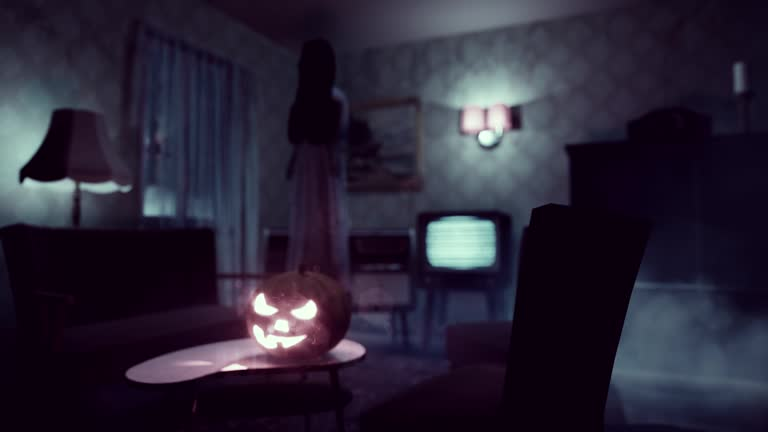
A creaking staircase, a dark hallway, and a door opening by itself once defined the atmosphere of a classic horror movie.
Today, a mysterious notification, an unfamiliar video call, or a hacked camera can create the same unsettling feeling.
Horror storytelling has changed alongside technology, entertainment habits, and everyday life. Haunted houses and supernatural creatures remain popular, but modern filmmakers increasingly explore digital privacy, online identities, artificial intelligence, and the darker possibilities of connected devices.
What makes this transformation interesting is that horror hasn’t abandoned its traditional foundations. Instead, it has found new ways to explore familiar fears through the technology people use every day.
How Traditional Horror Used Familiar Places to Create Fear
Classic horror often relied on locations that seemed separated from ordinary life. Abandoned mansions, isolated villages, dark forests, and mysterious buildings created environments where characters had little control over their surroundings.
These settings helped filmmakers develop suspense through isolation, uncertainty, and the suggestion that something dangerous might be hiding nearby.
Why Haunted Houses Became Iconic Horror Settings
A haunted house works because it transforms somewhere associated with safety into a source of danger.
In The Haunting (1963), director Robert Wise used unusual camera angles, unsettling sounds, and uncertainty to make Hill House frightening without constantly showing supernatural creatures.
Traditional haunted-house stories commonly rely on:
- Unexplained noises behind closed doors.
- Rooms that conceal disturbing histories.
- Isolation from people who could assist.
- Uncertainty about whether strange events are supernatural.
The most effective scenes rarely reveal everything immediately. Audiences imagine what might be waiting in the darkness, often making the experience more unsettling.
From Cursed Objects to Digital Horror Stories
As technology became part of daily life, filmmakers began finding new ways to introduce supernatural threats through familiar devices. Televisions, videotapes, mobile phones, and computers gradually became important elements in horror storytelling.
These objects served a similar purpose to cursed mirrors, mysterious books, and haunted possessions in traditional horror.
When Technology Became the Source of Fear
The Japanese horror film Ring (1998) introduced a disturbing idea: watching a mysterious videotape could expose someone to a deadly supernatural curse.
Instead of placing danger inside an abandoned castle, the film brought it directly into an ordinary home.
Modern digital horror takes this idea further by exploring how technology records information, connects strangers, and sometimes makes people uncomfortable about their privacy.
Outside fictional stories, questions about digital identity are already part of everyday online activity. For example, understanding casino verification requirements in Canada involves considering why certain online entertainment services request identification and how personal information may be handled.
Horror filmmakers can transform these familiar concerns into frightening situations by imagining devices that collect information without permission or reveal details that should remain private.
Why Online Privacy Has Become a Modern Horror Theme
Traditional horror frequently involved someone entering a private space without permission. Modern horror can create a similar feeling without showing an intruder physically entering a house.
A compromised account, suspicious message, or unfamiliar person appearing on a video call can suggest that someone’s personal boundaries have been crossed.
Digital Identity Creates New Storytelling Possibilities
Imagine receiving messages from an account belonging to someone who died several years earlier.
The situation immediately creates uncertainty. Someone might have accessed the account, another person could be impersonating the deceased, or the explanation might be supernatural.
Modern horror uses these unanswered questions to build tension.
Another interesting connection comes from the growing interest in anonymous digital experiences.
Across online entertainment, people sometimes explore different identity-verification policies, including searches for the best no KYC casino sites for Canadians, where the central concern is how much personal information a platform requires.
That same uncertainty about who is behind a digital identity offers useful material for horror storytelling.
An anonymous profile in a film might initially appear harmless, only to become increasingly disturbing as its messages reveal private information about the main character.
The fear comes from not knowing who is watching, communicating, or controlling the account.
How Screen-Based Horror Changes the Viewing Experience
One of the most interesting developments in modern horror is the use of computer screens as the main storytelling environment.
Instead of following characters through traditional film locations, audiences watch events unfold through video calls, chat windows, recordings, and online notifications.
What Makes Screenlife Horror Different?
Unfriended (2014) presents much of its story through a computer desktop, using digital conversations and online activity to develop suspense.
Similarly, Host (2020) uses a group video call as the setting for a supernatural encounter.
These films demonstrate how ordinary technology can become part of the horror experience.
| Traditional Horror | Modern Digital Horror |
| Dark corridors | Unfamiliar chat windows |
| Mysterious footsteps | Unexpected notifications |
| Locked rooms | Interrupted connections |
| Hidden strangers | Anonymous online accounts |
| Unexplained voices | Distorted digital audio |
The difference is more than visual.
People recognise these digital interfaces because they use similar tools in everyday life. When something strange happens on screen, the fictional experience can feel closer to reality.
How Digital Uncertainty Creates New Forms of Suspense
Modern audiences regularly interact with online systems they do not completely understand. Applications request permissions, websites collect information, and digital platforms use different methods to confirm identities.
For horror writers, these ordinary experiences offer opportunities to explore uncertainty, surveillance, and personal control.
Turning Everyday Digital Decisions Into Horror
Imagine a character visiting a website that suddenly begins displaying information about their private conversations.
At first, the situation appears to be a technical problem. Gradually, however, the website starts predicting events before they happen.
The frightening element comes from the difference between what the character expects and what actually occurs.
Similar uncertainty exists in everyday digital decision-making. Someone researching a no KYC casino comparison for Canada, for example, may encounter different claims about privacy, identity checks, and account access.
Understanding those differences requires looking beyond a platform’s description, since reduced initial verification does not necessarily mean identification will never be required.
In fictional horror, this gap between what a digital service promises and what it actually does can become the foundation of a disturbing storyline.
A seemingly harmless application might gradually reveal that it knows far more about its users than they expected.
Why Traditional Horror Techniques Still Work in Digital Stories
Although horror settings have changed, the basic methods of creating fear remain remarkably similar.
Filmmakers continue to rely on anticipation, uncertainty, atmosphere, and carefully controlled information. Technology simply gives them additional ways to apply these techniques.
Sound, Silence, and Small Details Still Matter
A phone vibrating inside an empty room can be as unsettling as footsteps in an abandoned mansion.
Similarly, a video call freezing at the wrong moment can create suspense without expensive visual effects.
Effective digital horror often combines:
- Delayed information that keeps viewers anticipating an explanation.
- Familiar technology behaving in unexpected ways.
- Limited communication between characters.
- Small visual details suggesting something is wrong.
- Sudden changes in sound or background activity.
The important factor is familiarity. Audiences understand how these devices normally behave, making unusual activity more disturbing.
A horror film does not need an elaborate digital threat when a simple message from an unknown sender can create uncertainty.
Conclusion
The changing language of horror reflects how people experience fear in different periods of history.
Traditional haunted houses transformed familiar physical spaces into threatening environments. Modern digital nightmares use smartphones, computers, online identities, and connected technology to create similar feelings of uncertainty.
Films such as Ring, Unfriended, and Host demonstrate how horror storytelling can adapt to changing entertainment habits without abandoning its original foundations.
Whether a ghost appears behind a locked door or an unknown figure appears on a computer screen, effective horror continues to explore one unsettling question: what happens when something familiar can no longer be trusted?