 Horror News | HNN Official Site | Horror Movies,Trailers, Reviews
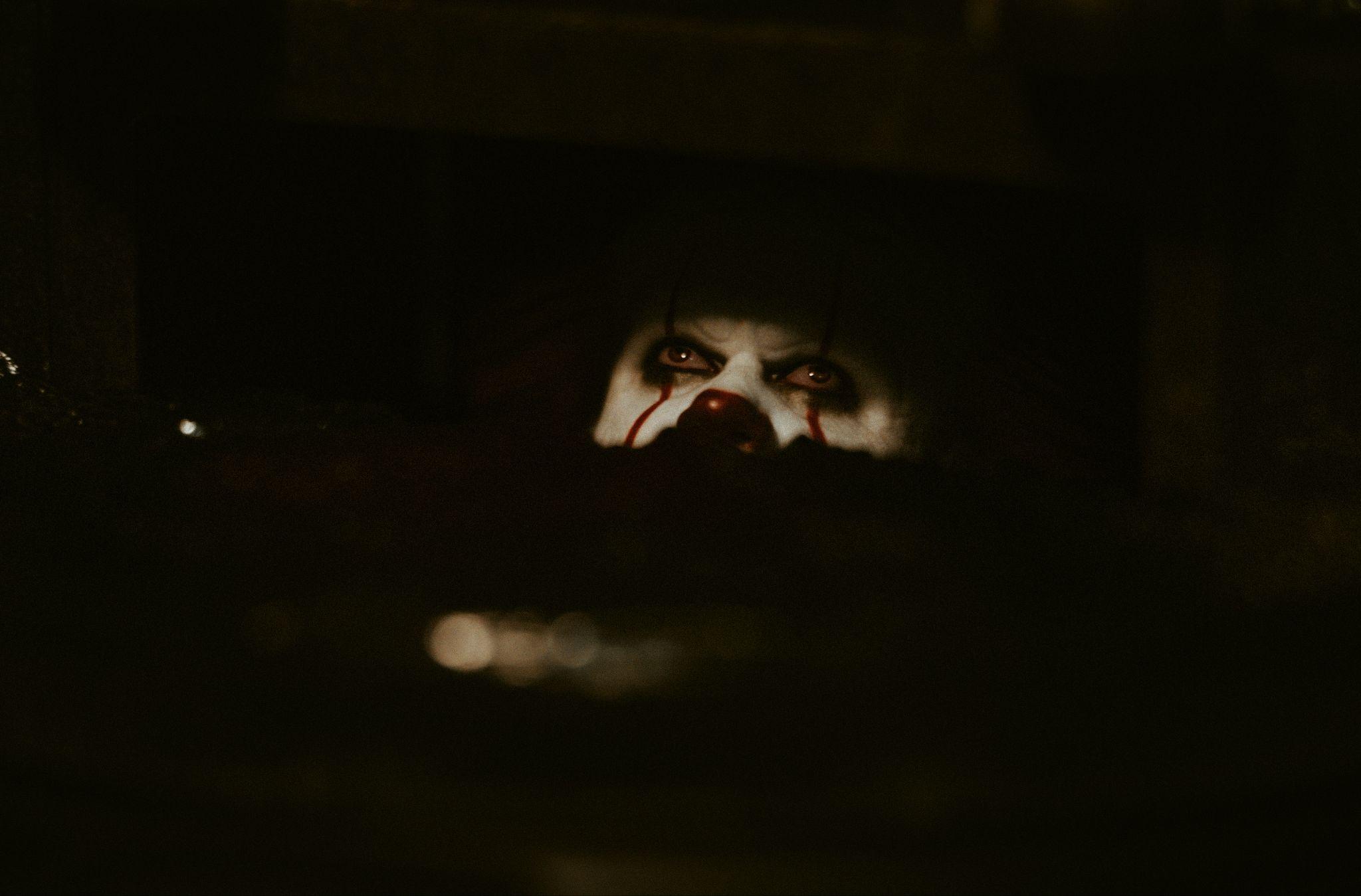
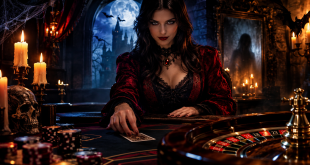
Horror has long ceased to live only on the screen: its images have seeped into comics, music, video games, and even slot machine design. A ghoul, vampire, or masked maniac now meets the player not in a movie theater but on spinning reels — with the same fog, the same creaking floorboards, and the same suspense. In this article, we will examine how the language of horror cinema migrated to slots and why the genre turned out to be so convenient for the gaming industry.
The Mood Survives the Jump to the Reels
Real horror relies not so much on liters of blood but on atmosphere — on anticipation, on sound, on the play of light and shadow. Slot developers caught on to this earlier than many: a dark soundtrack, a muted palette, and slowly building tension before a bonus round work according to the same laws as a scene in the basement of an abandoned house. The same logic is easy to recognize in any solid horror flick, where the scariest moment is not the one where something jumps out but the one where the viewer waits for it for a full minute. Being by their nature games designed to hold attention, slots and horror movies use the exact same technique — prolonged anticipation of the climax.
It is no coincidence that in autumn, closer to Halloween, themed releases come out in waves. Many platforms tie seasonal promos and online casino bonuses to them, while themed free spins for dark slots have long become a standalone promotion format. At the same time, the bonus itself does not change the essence of the game — it merely provides an extra reason to return to a favorite vampire or zombie theme.
To understand why the genre has taken such deep root, it is worth looking at specific characters that moved from film reels to spinning reels. Behind each of them lies a trail of dozens of movies, and a slot only needs to hint at this legacy with a single recognizable silhouette.
The Usual Suspects: Monsters That Became Reel Regulars
The pantheon of cinematic horror is conveniently divided into archetypes, and each of them has found its reflection in the gaming industry. Vampires turned out to be the most prolific — the gothic aesthetics of castles and blood-red roses fit the slot’s visual style perfectly. Classic Universal Studio monsters like Dracula, Frankenstein, and the Invisible Man once received an entire line of official games, with slashers and zombie horrors following close behind.
Slasher maniacs are a story of their own. A masked killer proved harder to adapt than a folkloric monster: he lacked a mystical aura, but possessed a recognizable silhouette and the tension of a chase. Developers compensate for this with sharp audio cues and pursuit mechanics where an ominous symbol seems to chase the player across the screen. This is how the reels bring to life not a specific movie but the very tone of the slasher itself.
| Title | Provider | Horror inspiration | Signature element |
| Blood Suckers | NetEnt | Vampire hunting | One of the highest payout rates on the market |
| Immortal Romance | Microgaming | Gothic vampire saga | Chamber of Spins with unlockable storylines |
| Dracula | NetEnt | Universal’s classic count | Bats that turn symbols into wilds |
| The Invisible Man | NetEnt | Universal monster lore | Two separate bonus modes |
| Halloween | Microgaming | Carpenter’s masked slasher | Licensed Michael Myers imagery |
The list could go on: studios regularly return to proven imagery because the audience reads it instantly. There is no need to explain to a player what a werewolf is or what a full moon in the background signifies — the cultural code is already built in. This recognizability saves developers the most precious commodity: time spent explaining the rules of the mood. That is precisely why the horror theme remains one of the most enduring in provider catalogs.
Fog, Flicker, and a Scream in the Dark
If you break down a horror slot into its component parts, you will find that it is not the plot that frightens, but the presentation. Designers assemble the atmosphere out of recognizable sensory details, each echoing cinematic tropes:
- Low rumbles and sudden audio spikes that mimic horror sound design techniques;
- A muted palette with accent pops of red and swamp green;
- Fog, flickering candles, and gothic typography across the interface;
- Jumpscare animations triggered by a major win.
All these elements serve a single purpose — to make players feel like they are inside the movie, not sitting in front of it. Sound is more important than graphics here: the audio track creates that exact sense of dread for which audiences tune into horror films in the first place. Mute the volume, and half the effect crumbles, leaving behind a standard grid of symbols. Even though the spinning mechanic remains uniform, the wrapper transforms the perception beyond recognition.
Halloween Is High Season for the Reels
Just like theatrical film distribution, horror slots have their own peak season — late October. Leading up to Halloween, providers roll out limited releases, while live dealer studios deck out their tables in themed decor complete with fog, pumpkins, and host costumes straight out of a gothic novel. Coincidentally, movie premieres cluster around the same dates, leaving October split between major film releases and their digital counterparts on the reels. This seasonal spike turns the genre into an annual ritual that both developers and players return to year after year.
Curiously, outside of October, those same images do not disappear — they simply recede into the background, waiting for the next wave. Vampires and zombies have long evolved from seasonal decorations into permanent fixtures of game catalogs, mirroring classic horror films that get rewatched year-round. Ultimately, horror in the gaming industry follows the exact same rules as in cinema: high-profile premieres tied to specific dates and reliable classics for the rest of the year.
Why the Genre Refuses to Stay Buried
Horror has proven to be an ideal source material for the gaming industry: it inherently carries tension, recognizable iconography, and a ready-made emotional palette. As long as audiences love a good scare, monsters from the silver screen will continue finding new homes — including on spinning reels. In this way, our favorite monsters never really die; they simply change the stage.
https://unsplash.com/photos/a-creepy-clown-peeking-from-darkness-Kvb-MD9Vk4k