 Horror News | HNN Official Site | Horror Movies,Trailers, Reviews
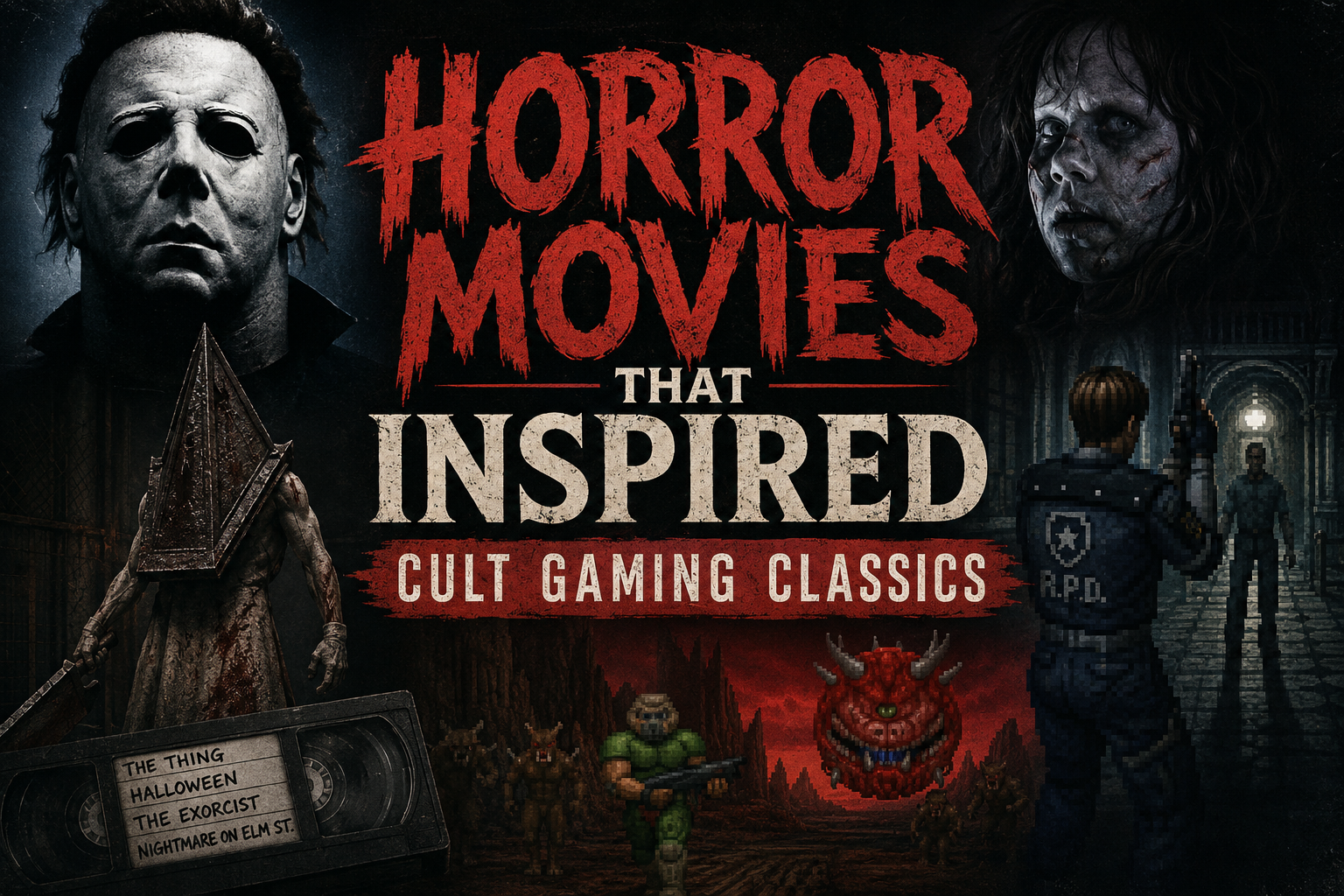
Horror has always thrived on evolution. What starts on the big screen rarely stays there for long, and some of the genre’s most unforgettable films have found a second life in gaming. The result is something far more immersive than a passive watch. You are no longer just witnessing the terror; you are inside it, making choices, surviving, or failing spectacularly.
Take The Thing, for example. John Carpenter’s icy paranoia translated perfectly into game form, especially with The Thing: Remastered. Instead of simply retelling the film, the game builds on its distrust-heavy atmosphere. Every character interaction feels loaded, and that creeping sense that anyone could turn at any moment keeps the tension razor sharp. It is a perfect case of a film’s tone being more important than its plot when making the jump to gaming.
Space horror has also made the leap terrifyingly. Alien: Isolation stands as one of the clearest examples of how to adapt a film into an interactive nightmare. Rather than leaning on action, it captures the slow, suffocating fear of Ridley Scott’s original vision. Hiding in lockers, holding your breath, and praying the xenomorph does not hear you turns a familiar story into something deeply personal and nerve-shredding. This kind of design shows how games can stretch a film’s core idea into something even more intense.
Then some titles embrace the chaos and camp of classic slashers. Friday the 13th: The Game throws players into a multiplayer bloodbath where they either run for their lives or become Jason himself. It is messy, unpredictable, and exactly what fans of the films would expect. That same influence has spilled into other corners of gaming too, with one of the most renowned online slots games in this genre drawing directly from these kinds of cinematic icons, proving just how far horror inspiration can spread.
Psychological horror has arguably had the deepest impact. Series like Silent Hill owe a clear debt to films such as Jacob’s Ladder and Hellraiser, borrowing their surreal imagery and emotional weight. Instead of relying purely on jump scares, these games dig into discomfort, guilt, and distorted reality. It is horror that lingers, the kind that follows you long after you have switched everything off.
Even more action-driven adaptations have their place. The Mummy: Demastered manages to outshine its cinematic counterpart by focusing on tight gameplay and exploration. Meanwhile, Ash vs Evil Dead-inspired retro-style action games lean as much into humor as into horror, keeping that chaotic energy alive in pixelated form.
Of course, horror’s influence is not limited to direct adaptations. Games like Resident Evil were built on the DNA of George A. Romero’s zombie films, turning slow, shambling dread into a defining gameplay loop. Locked doors, limited resources, and that constant fear of what is around the corner all trace back to those early cinematic nightmares.
And then there is Frankenstein, one of the oldest horror icons still shaping gaming today. Its themes of creation, consequence, and tragedy have inspired countless interpretations, including slot adaptations that use imagery from the 1931 classic. The lightning, the lab, the monster itself, it all translates surprisingly well into interactive mechanics, proving that even the earliest horror stories still have power in modern formats.
What makes these crossovers work is not just recognition. The best horror games understand what made their source material effective in the first place. They take that fear and hand it over to the player. Suddenly, the terror is not happening to someone else. It is happening to you.