 Horror News | HNN Official Site | Horror Movies,Trailers, Reviews
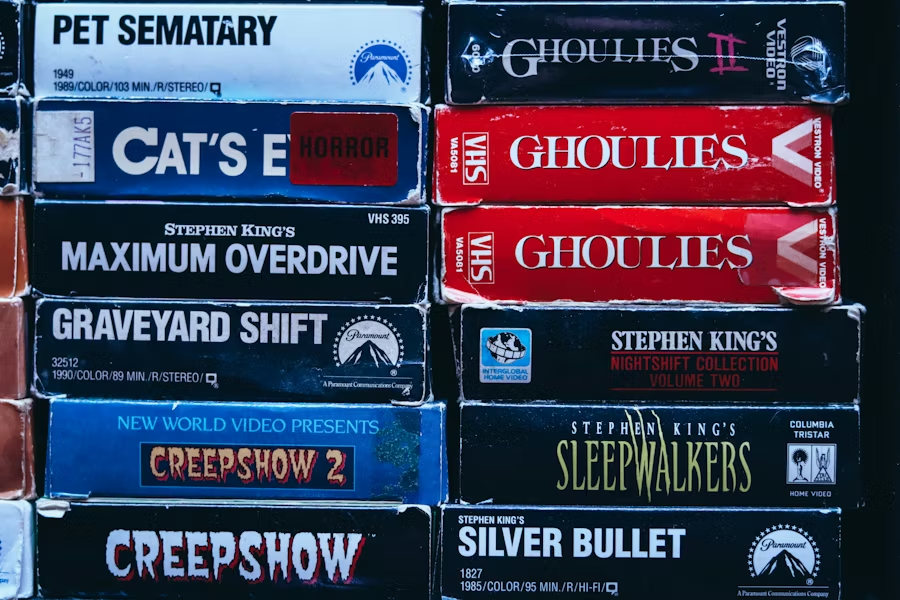
For many people, anxiety is a vague, lingering cloud. You feel nervous, but you aren’t always sure why. This “free-floating” anxiety is hard to handle because it has no clear source and no clear end. Horror movies change that. When you watch a scary film, your anxiety suddenly has a name and a face. It’s the ghost in the attic or the monster under the bed. For ninety minutes, your brain can stop worrying about the “what-ifs” of real life and focus all that nervous energy on a single, pretend threat.
There is a huge difference between “real danger” and “safe danger.” When you are in a theater or on your couch, your logical brain knows that the person on the screen cannot hurt you. This creates a safety net. You get to feel the rush of adrenaline and the excitement of a chase, but you are physically tucked away under a blanket. This allows your mind to “vent” its extra nervous energy in a way that feels like entertainment rather than a crisis.
What Happens to Your Body During a Jump Scare
When a monster suddenly leaps out from the shadows, your body doesn’t immediately know it’s a movie. Your brain’s alarm system, the amygdala, sends a signal to your heart to beat faster and your lungs to take in more air. This is the “fight-or-flight” response. However, a second later, your conscious mind realizes you are just watching a screen. This realization triggers a massive release of “happy chemicals” like endorphins and dopamine. It’s the same feeling you get after a workout or a rollercoaster ride—a sense of intense relief and physical relaxation.
If you are curious about the biology of these reactions, you can find more in-depth articles on this site regarding how the brain manages sudden spikes in stress. This biological “flush” can be very therapeutic. After a jump scare, the tension leaves your muscles, and your breathing slows down. For an anxious person, this physical release can be much more effective than trying to “think” themselves into a calm state. The scream or the jump acts as a physical reset button for the nervous system.
Practicing How to Be Brave
Watching a horror movie is like taking your courage to the gym. It is a workout for your emotions. When you sit through a tense scene, you are practicing what it feels like to be afraid and, more importantly, you are practicing surviving that fear. You learn that even when your heart is pounding and you feel like you can’t breathe, the feeling eventually passes.
By facing fictional monsters, you build a sense of resilience. You prove to yourself that you can handle uncomfortable feelings. For someone with anxiety, the biggest fear is often the feeling of fear itself. Horror movies teach us that fear is just a temporary physical sensation. When the credits roll and the lights come up, you are still there, safe and sound. This helps you realize that the “scary” feelings in your real life are also things you can survive.
Being in Charge of the Fear
One of the worst things about real-world anxiety is the lack of control. You don’t know when a panic attack might hit or when a problem at work will arise. Horror movies give that power back to you. A movie has a clear beginning, middle, and end. You know that the scary parts will eventually stop.
Furthermore, you have the “pause button.” You are in charge of the experience. If a scene gets too intense, you can look away, turn down the volume, or stop the movie entirely. This sense of agency is incredibly comforting to a chaotic mind. Even the predictable “rules” of horror movies—like the fact that the music usually gets louder before a scare—provide a sense of order. When the world feels unpredictable, the structured fear of a movie can actually make you feel more organized and in control.
The “Cozy” Side of Horror
There is also a social side to being scared. Many people find horror “cozy” because they watch it with friends or family. Sharing a scary experience creates a bond. You laugh together after a jump scare, or you huddle under the same blanket. This “co-regulation” tells your brain that you are part of a pack and that you are safe because you aren’t alone.
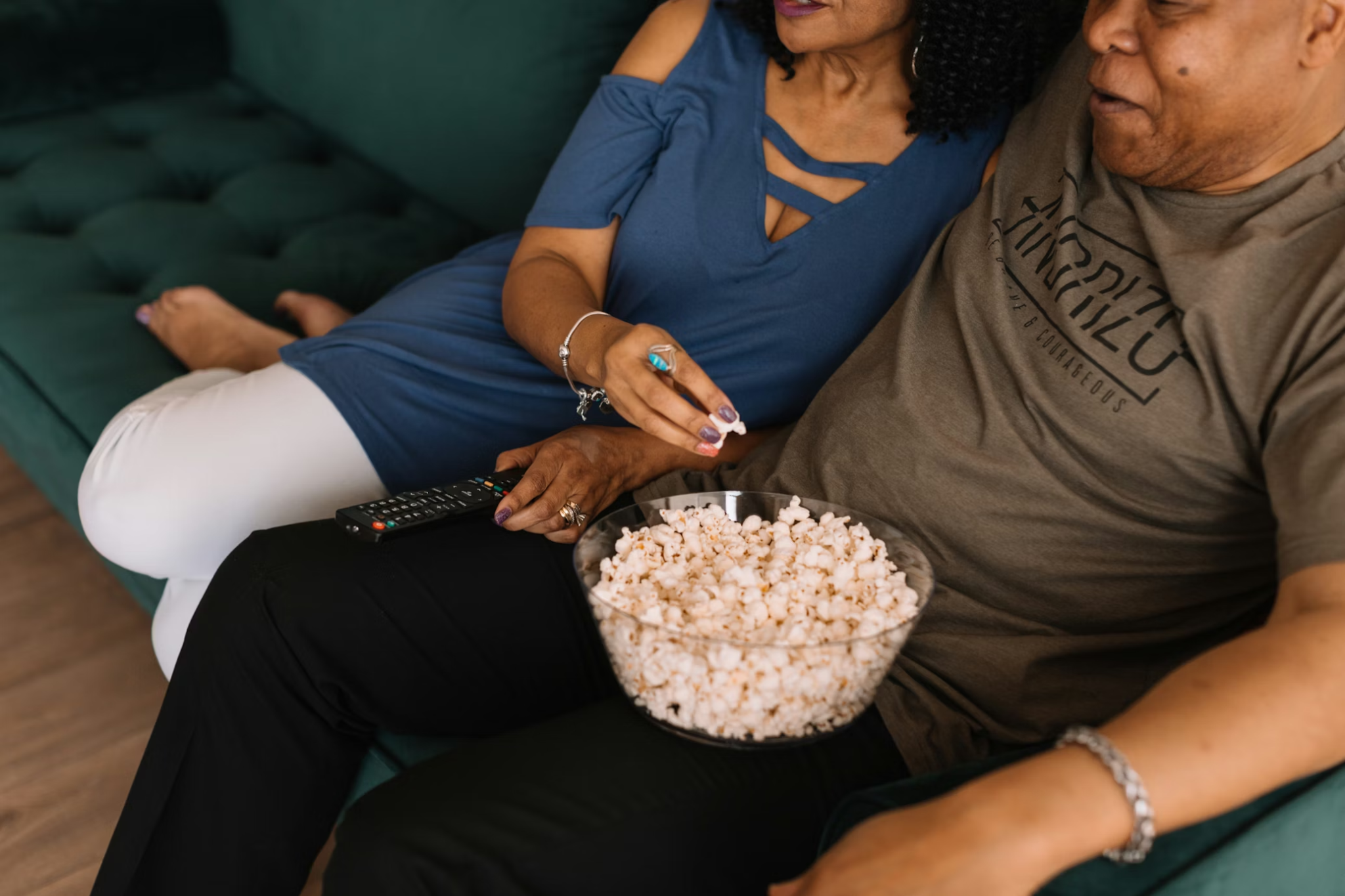
Additionally, horror movies require intense focus. It is very hard to worry about your taxes or your chores when a shark is on the screen. This acts as a form of “forced mindfulness.” For two hours, your brain is fully locked into the story. This break from your own looping thoughts can be a huge relief, giving your mind the rest it needs from its usual worries.
How to Watch Without Getting Too Scared
If you want to use horror as a tool for your mental health, it is important to know your limits. You don’t have to watch the most graphic or disturbing films to get the benefits. Some people prefer “supernatural” horror because it feels less like real life. Others like older, “classic” monster movies because they feel more like a dark fairytale.
You can also customize your environment to stay in your “safe zone.” Keep the lights on, read the plot summary beforehand so there are no surprises, or watch with a funny friend who makes jokes during the tense parts. The goal isn’t to traumatize yourself; it’s to find a level of “safe scary” that helps you feel stronger.
Final Thoughts
Horror movies don’t create anxiety; they give us a place to put it. They allow us to take the messy, complicated fears of our daily lives and turn them into something we can watch, process, and eventually turn off. By choosing to be afraid on purpose, we take the power away from fear.
So, the next time you feel like putting on a scary story, don’t judge yourself. See it as a clever way your brain is trying to build strength and find calm in a chaotic world. Sometimes, the best way to handle your own shadow is to sit in the dark and watch someone else face theirs.