 Horror News | HNN Official Site | Horror Movies,Trailers, Reviews
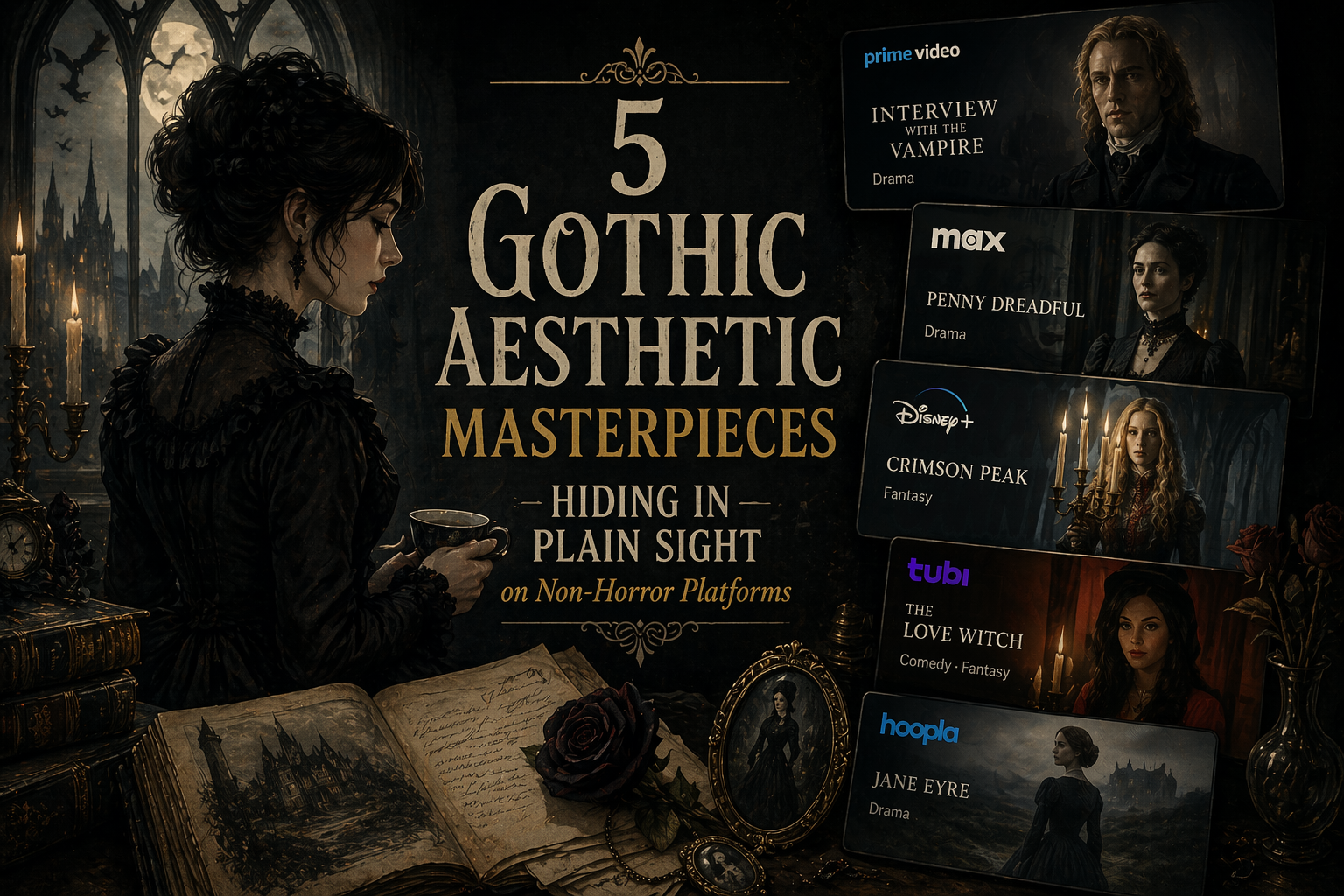
Contrary to popular belief, gothic aesthetics doesn’t equal horror. While the latter is defined by fear and shock, aesthetics refers to a visual language of quiet melancholy and dramatic architecture to enrich storytelling. Practically, gothic scenes come from a mix of elements. Think of candlelit corridors and stormy skies that create an unforgettable atmosphere. In the past, these visuals were limited to horror films. But not anymore. In today’s digital world, they have found a new life on mainstream platforms. Audiences enjoy games on different platforms and experience gothic visuals as a style that improves entertainment. If you look closely, you may find spots where gothic aesthetics hide in plain sight.
Gothic Aesthetic in Gaming
Games on modern sites present one of the most natural ways to use gothic visuals, and in games like Hollow Knight, you see it in full effect. The play is set in an underground city where civilization seems frozen in time. The buildings are crumbling, and ghostly remnants tell of the city’s past. But it isn’t just the visuals. The game’s theme features quiet resilience, delivering a melancholic experience that gothic aesthetics usually evoke. You can view details of which social casinos offer gothic-themed gameplay.
Gothic Aesthetic in Teen Drama
While it’s available on Netflix, a mainstream streaming platform, the teen drama series Wednesday leans into classic gothic aesthetics. The school uniforms are dark, the color pallet appears muted, and Nevermore Academy features old-world architecture. Besides the visual effects, the language features a deadpan delivery that defines the personalities of most characters in the film. Beneath the dark tone, Wednesday explores important themes, such as isolation and finding your identity in a crowded world.
Gothic Aesthetic in Animation
While animations are traditionally associated with fiction, gothic aesthetics are transforming the stories they can tell. Take Castlevania, for example – an animation about loss and vengeance, which is available in mainstream media. Its opening scenes show crumbling medieval towns that feel grand yet decayed. Candlelit hallways create a remarkable contrast, as shadowy figurines and religious symbolism usher in a classic feel. These visuals are essential to the story and help shape its mood, even in the absence of horror scenes.
Gothic Aesthetic in Social Media
As you scroll through your favorite social media app, you may not notice gothic aesthetics hiding in plain sight. Movements like Dark Academia, which have a wide fanbase on Tumblr and TikTok, predominantly showcase gothic themes. You may come across a post with a picture of candlelit libraries or a stack of worn books with dog-eared pages. Sometimes, it’s a simple rain-streaked window. These visuals trigger feelings of quiet solitude and deep reflection in a classic Gothic way.
Gothic Aesthetic in Music
Music streaming adds a twist to how you can incorporate gothic aesthetics in a non-horror genre. Song videos are an ideal place to add melancholic visuals, including dark tones and ruins. But the lyrics are even more powerful tools. Songs like Lana Del Rey’s “Born to Die” feature themes of doomed romance that juxtapose beauty and decay. The vocals also bring an immersive tone by sounding distant.