 Horror News | HNN Official Site | Horror Movies,Trailers, Reviews
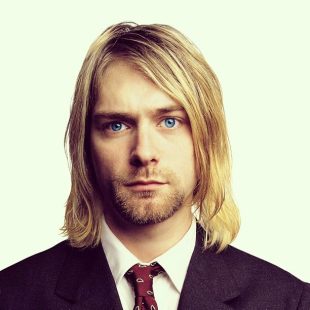
1994 was a pivotal year in counter culture shifting and the ripples could be felt across all areas of entertainment. Gen X had established it’s identity.
Soundgarden – Superunknown (March 8): Considered a defining record of the era, it blended heavy riffs with darker, psychedelic songwriting. It featured iconic hits like “Black Hole Sun” and “Spoonman”.
Kurt Cobain’s death on April 5, 1994, was a profound cultural rupture that permanently altered the identity and trajectory of Generation X. For many, it represented the tragic “death of grunge” and the end of an era defined by raw, honest disillusionment.
Hole – Live Through This (April 12): Released just days after Kurt Cobain’s death, Courtney Love’s breakthrough album became a grunge classic with tracks like “Doll Parts” and “Miss World”.
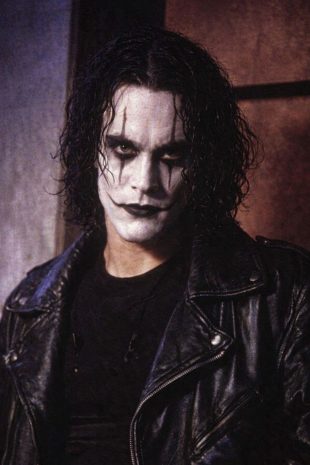
The Crow (May 13) became a cultural touchstone by blending the 90s alternative rock explosion with a deeply personal, tragic core that resonated with a generation’s growing angst. Its significance stems from several intersecting cultural forces.
Capturing Gen-X Angst, released just weeks after the death of Kurt Cobain, the film tapped into a collective sense of loss and disillusionment.
The film’s “corpsepaint” makeup, leather-clad rocker style, and rain-soaked cityscapes became a visual standard for 90s alternative and metal fashion.
The soundtrack for The Crow is frequently cited as one of the most influential of the decade. It bridged the gap between goth, industrial, and mainstream alternative rock, featuring iconic tracks like “Burn” by The Cure and “Dead Souls” by Nine Inch Nails.
 The Death of Grunge and the Rise of the Anti-Hero
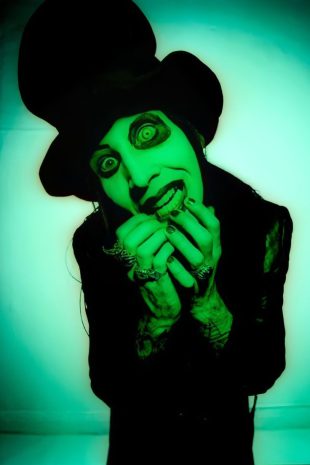
When Marilyn Manson released his debut album, Portrait of an American Family, on July 19, 1994, it didn’t just introduce a new industrial metal band; it acted as a funhouse mirror for a United States caught between 90s apathy and 80s moral hysteria.
Produced by Trent Reznor of Nine Inch Nails, the album’s raw, gritty sound captured the “murky waters of self-doubt” experienced by disaffected youth in 1994. It served as the foundation for Manson to become one of the most successful cultural “trolls” in music history, challenging authority, religion, and the government through sheer shock value.
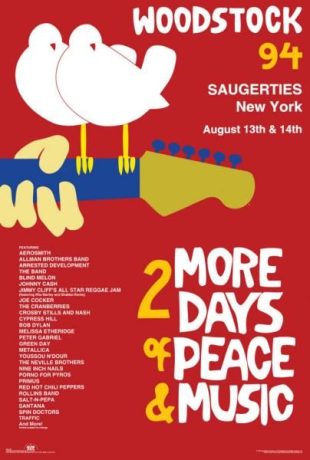
For Generation X, Woodstock ’94 (August 12 to 14) was their defining collective experience. It happened just four months after the death of Kurt Cobain, and the “grunge” influence was visible everywhere—from the flannel shirts in the crowd to the raw, unpolished sound on the stages.
If Woodstock ’69 was about “Peace and Love,” Woodstock ’94—celebrated 30 years ago this August—was defined by a much grittier reality: Mud and Marketing.
Held in Saugerties, New York, to mark the 25th anniversary of the original festival, Woodstock ’94 was a fascinating cultural collision. It was the moment where the idealism of the Baby Boomers met the cynical, high-energy disillusionment of Generation X.
Woodstock ’94 remains a time capsule of a world on the brink of the digital age: a place where 350,000 people could still get lost in the music and the mud without a smartphone in sight.
Nine Inch Nails: Trent Reznor and his band arrived on stage completely caked in mud after a pre-show wrestling match. Their aggressive, industrial set became the visual shorthand for the festival’s intensity.
Green Day: In perhaps the most famous moment of the weekend, Billie Joe Armstrong incited a massive mud fight with the crowd. By the end of the set, the stage was overrun by fans, and bassist Mike Dirnt was famously tackled by a security guard who mistook him for a stage-invader, knocking out his front teeth.

Extreme Championship Wrestling (ECW) didn’t just exist in 1994; it was a product of the year’s specific cultural shifts.
Paul Heyman, then known as “Paul E. Dangerously,” stepped into the role with a radical goal: to create a “grunge” version of professional wrestling that mirrored the anti-establishment culture of the mid-1990s
Much like the “Seattle sound” of Pearl Jam and Alice in Chains, ECW rejected high-gloss production for a raw, “underground” feel. Wrestlers walked out to contemporary chart-topping alternative and metal tracks rather than generic stock music.
Reflecting a society that no longer craved “sunshine” and moral simplicity, ECW replaced the traditional “Good Guy vs. Bad Guy” dynamic with complex, often flawed anti-heroes.
The “Birth of Extreme” (August 27): After winning the NWA World Heavyweight Championship, Shane Douglas famously threw the belt down, declaring the NWA a “dead promotion”. He proclaimed himself the champion of Extreme Championship Wrestling, officially seceding from the traditional wrestling establishment and ushering in the hardcore era
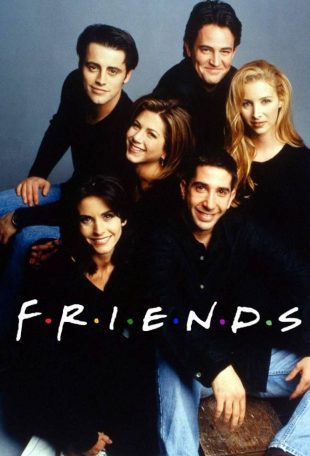
When Friends premiered on September 22, 1994, it didn’t just fill a time slot on NBC’s “Must See TV”—it provided a blueprint for the modern urban adulthood that defined the mid-90s. While the show eventually became a global titan of syndication, its first season was a hyper-specific reflection of the Generation X experience in 1994.
In the early 90s, the media was obsessed with the “slacker” trope—twenty-somethings who were overeducated but underemployed. Friends took this energy and made it aspirational.
The 1990s saw a peak in the “divorce culture” of the 70s and 80s coming home to roost. Many Gen Xers felt more connected to their peers than their biological families.
1994 was the height of the coffeehouse revolution. Following the grunge movement’s rejection of flashy bars and clubs, the “coffee shop” became the definitive social hub.
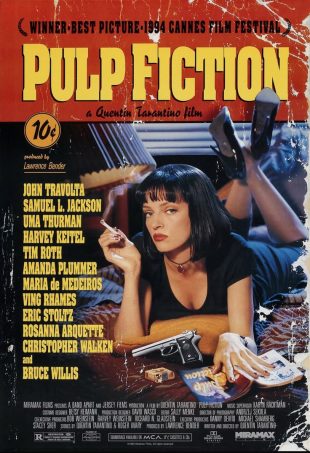
If you walked into a movie theater in 1994, you were likely witnessing a future classic. This was the year of the “indie explosion.”
In 1994, the “cinema of cool” wasn’t just a creative shift; it was a revolution in how movies were sold to the public. Indie distributors, led by Miramax, moved away from traditional studio advertising to focus on “event” marketing that built mystery and street credibility.
Quentin Tarantino changed the language of film with Pulp Fiction (October 14). Its non-linear storytelling, sharp-witted dialogue, and ultra-cool soundtrack proved that “art house” could be “blockbuster.”
Tarantino was marketed as a high-energy “video store clerk turned genius,” which resonated with Gen X audiences.
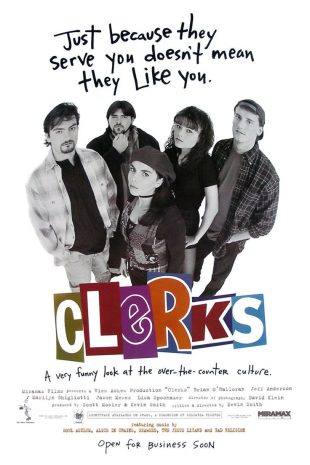 “I’m not even supposed to be here today!”
Clerks, directed by Kevin Smith, (October 19) this black-and-white comedy was famously shot for just $27,575. It captured a specific “Gen X” apathy and wit that inspired a generation of filmmakers to believe they could create art with just a credit card and a convenience store.
Smith personally promoted Clerks at festivals by hand-pasting photocopied “punk rock” posters on telephone poles and traffic signs, creating a grassroots, DIY identity