 Horror News | HNN Official Site | Horror Movies,Trailers, Reviews
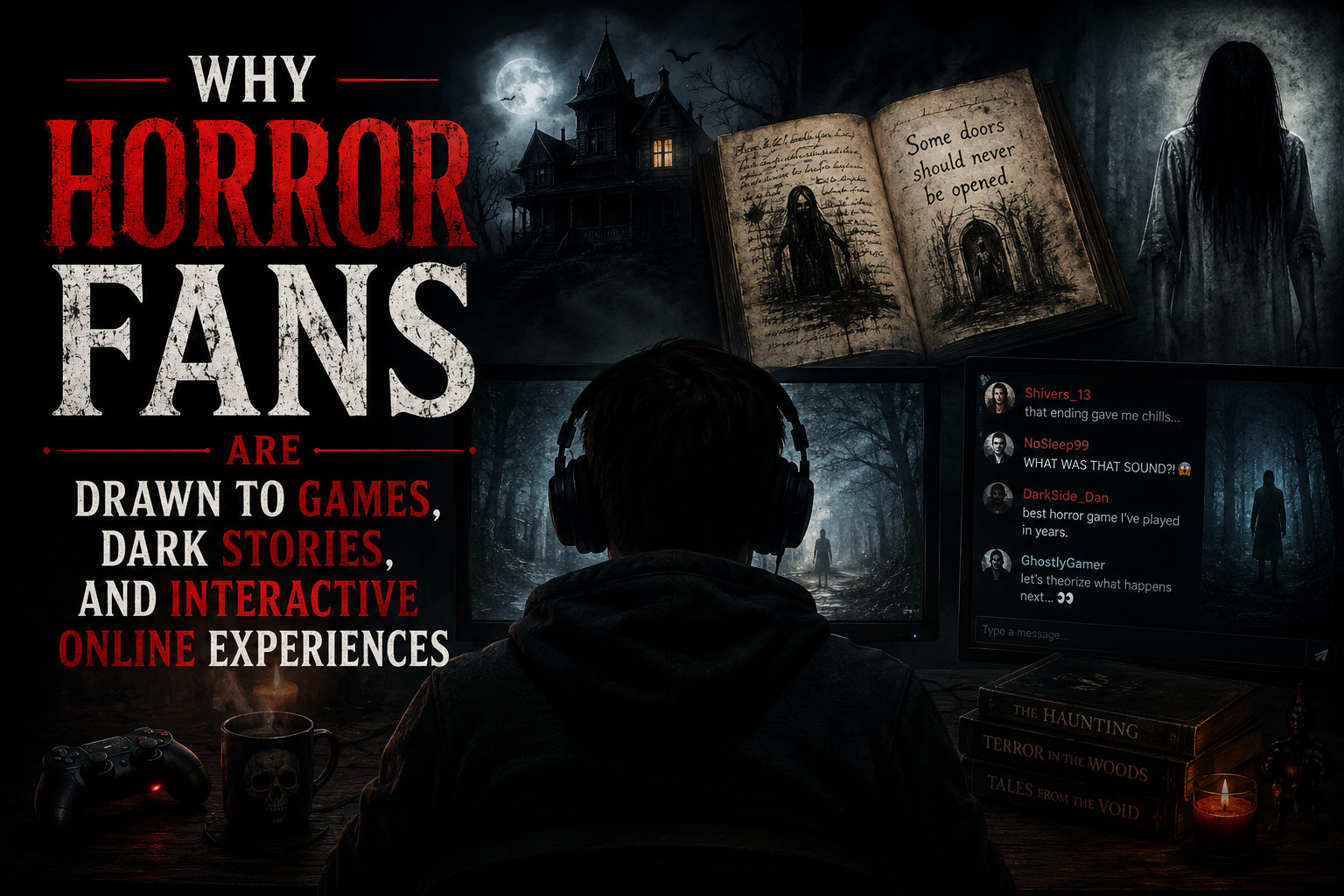
Horror has always been more than a genre. It is a feeling, a ritual, and sometimes even a strange form of comfort. People watch horror films not only because they want to be scared, but because fear, when experienced safely, becomes exciting. A dark room, a slow soundtrack, a shadow behind a door, or a character making one terrible decision can create a thrill that few other genres can match.
For decades, horror lived mainly on cinema screens, in paperbacks, and in late-night television marathons. Today, it has expanded into almost every corner of digital entertainment. Fans do not simply watch horror anymore. They play it, discuss it, stream it, collect it, rank it, review it, and build online communities around it. The genre has become interactive, social, and surprisingly flexible.
One of the biggest reasons horror works so well online is the atmosphere. Digital platforms are perfect for building tension. A game can make players walk slowly through an abandoned house. A short film can go viral because of one disturbing image. A podcast can turn a simple ghost story into an immersive experience through sound alone. Even a discussion thread can become unsettling when fans begin connecting theories, hidden meanings, and strange details.
Horror gaming has played a major role in this shift. Unlike films, games place the audience inside the fear. The player is no longer watching someone open the basement door; the player has to open it. That small difference changes everything. Horror games use silence, limited visibility, unpredictable sounds, and difficult choices to create pressure. The result can be more personal than cinema because the fear feels connected to the player’s own decisions.
This is why survival horror remains so powerful. The best games in the genre understand that fear is not only about monsters. It is about vulnerability. Limited resources, confusing spaces, unreliable characters, and the constant feeling of being watched can create a level of tension that stays with players long after they stop playing. The horror is not only what appears on screen, but what the player imagines might be waiting around the corner.
At the same time, horror fans have become expert explorers of online culture. They read rankings, search for obscure titles, compare reviews, follow creators, and investigate every new release. The internet has turned horror fandom into a huge archive of recommendations, theories, reactions, and debates. A person looking for a cult slasher film may end up reading about indie games, strange ARGs, haunted-house attractions, streaming trends, or even unrelated digital searches such as best casino online review while moving through the wider world of online entertainment content.
What makes horror unique is that it can absorb almost any format. Found footage changed how audiences viewed realism. Analog horror used old media aesthetics to create discomfort. Internet horror transformed screenshots, fake websites, distorted videos, and mysterious uploads into storytelling tools. Even short-form platforms have found ways to make horror work in seconds rather than hours. The genre constantly adapts because fear itself adapts.
Modern horror also benefits from community reaction. Watching a frightening scene alone is one experience; watching hundreds of fans respond to it, analyze it, and argue about its meaning is another. Online communities keep horror alive between releases. They help small films find audiences, revive forgotten titles, and turn strange moments into cult phenomena. Sometimes a movie becomes more interesting because of the conversation around it.
This is especially true for independent horror. Digital platforms have allowed smaller creators to reach audiences without needing massive studio support. A clever concept, strong atmosphere, and memorable visuals can travel quickly online. Many horror fans actively seek out low-budget or independent projects because they often take risks that larger productions avoid. In horror, limitation can become style. A small location, unknown actors, and minimal effects can feel more disturbing than a polished blockbuster.
Another reason horror remains popular is emotional control. Real life can feel chaotic and unpredictable, but horror offers fear within a frame. Viewers know they can pause the film, leave the game, close the book, or turn on the lights. This controlled fear can be strangely satisfying. It allows people to confront anxiety, danger, and darkness in a way that feels intense but contained.
The best horror experiences also leave room for interpretation. A monster is frightening, but mystery is often stronger. Why did the character hear that sound? Was the figure real? What happened before the story began? What was hidden in the background? Horror fans enjoy these unanswered questions because they invite participation. The audience becomes part of the storytelling process by filling in the shadows.
Looking ahead, horror will likely become even more interactive. Virtual reality, artificial intelligence, immersive audio, and personalized digital experiences could change how fear is delivered. Imagine a horror story that adapts to a viewer’s reactions, a game that changes based on how carefully someone explores, or an online mystery that unfolds across multiple platforms in real time. The future of horror will not only be watched. It will be entered.
Still, the heart of the genre will remain the same. Horror works because people are fascinated by the unknown. They want to feel suspense, test their courage, and experience stories that disturb, surprise, and stay in the mind. Whether through a classic film, a new indie game, a dark podcast, or a strange online narrative, horror continues to prove that fear is one of the most powerful forms of entertainment.
In the end, horror fans are not simply chasing scares. They are chasing atmosphere, mystery, creativity, and the unforgettable moment when a story makes the familiar world feel unsafe for just a little while.