 Horror News | HNN Official Site | Horror Movies,Trailers, Reviews
Long-touted in science fiction, virtual reality headsets are finally here and reliable parts of mainstream entertainment. While they’re not quite what many of us imagined watching The Matrix, they still provide opportunities never before possible. With VR, you can completely immerse yourself in a digital space, experiencing the kind of intimacy a traditional screen alone could never deliver.
Yet, despite this promise and the ever-improving technology, VR headsets have yet to fully exploit the potential that horror movies represent. With some early attempts setting a tone, we want to look at what could be around the corner and why horror could be a tricky fit, even for a system with so much potential.
Getting Involved with Horror
While all movie genres could benefit in some way from involvement with virtual reality, horror is in a rare place. Horror is all about the terror of the unexpected, of fear and doubt lingering at the edges of our perception. With VR offering ultra-high quality audio/visual immersion, it has the potential to deliver fear from the screen in ways never before possible.
This has already been attempted on some levels, though systems like the Meta Quest, which offer enhanced cinema systems to take movies beyond a virtual screen. This can have monsters pop out beside you, or place dark shadows at times when you’re under the most stress. It might be overwhelming in many cases, but that’s what many of us are looking for.
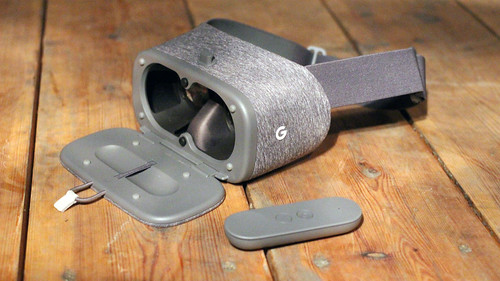 “Daydream View VR Headseet Made By Google” (CC BY 2.0) by Maurizio Pesce
Complications of Adaptation
The issues facing a move of horror into the VR space are complicated to navigate, and they affect more than just the genre we love the most. The first is an issue of cost. There are times when developing an alternative version of a media property is a streamlined process, creating ways to engage that help everyone.
Some of the best examples of these types of translations are seen in the online casino space. Video slots manage this feat without issue, as games like The Walking Dead Cash Collect and Vampires vs Wolves make simple transitions from computer to mobile systems. The HTML5 on which these games are built doesn’t require costly extra development, but the same isn’t true in films.
In movies, developing an extra layer of horror outside of the movie itself requires enormous investment if the filmmakers want to do it right. This takes extra time, money, and expertise, and these costs quickly add up. Horror movies don’t typically have the biggest budgets, and since VR adoption isn’t yet especially widespread, VR additions don’t produce the best return on investment.
The other part of the problem is that there isn’t one consolidated method in which to deliver this kind of VR content. While Meta has been experimenting, there’s nothing available like a horror VR Netflix that could standardise a VR addition process. There might be one day, but it’s not here yet.

Source: Pixabay
With so much potential available in adding VR elements to horror movies, we have to believe that a greater level of integration is just a matter of time. The questions that remain revolve around who will create the killer apps that sell the idea to the masses, and which filmmakers will be the first to demonstrate what the tech could do. It might be a while off, but let’s hope we have our own James Cameron to push the tech forward in the years to come.